
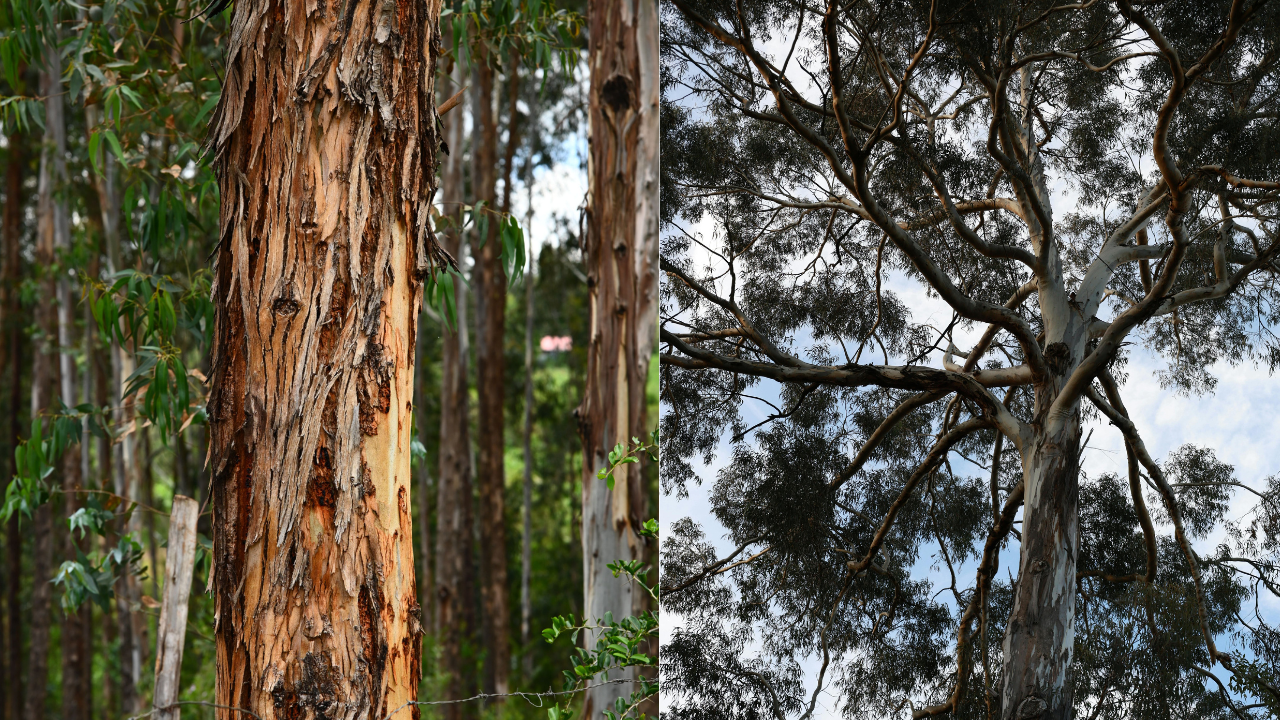
Eucalyptus trees were introduced to Ethiopia more than a century ago as the country struggled with shortages of firewood and construction timber. Their rapid growth made them an attractive answer to the pressure on natural forests, and later government reforestation programmes encouraged their wider planting. Over time, eucalyptus became one of the most widely planted trees in the country, supplying fuelwood, timber and income while reducing some of the demand that drives deforestation. But decades of expansion have also exposed a difficult trade-off: trees planted to ease pressure on forests can consume substantial amounts of water in areas where supplies are already limited. A 2025 review, ‘ Socioeconomic and Environmental Impacts of Eucalyptus Plantations in Ethiopia: An Evaluation of Benefits, Challenges, and Sustainable Practices ,’ by Kiros Getachew Belachew and Wondwosson Kibrie Minale, examined these competing effects. The review considered not only the trees’ economic value but also concerns about soil moisture, biodiversity and competition with other vegetation. Its findings highlight why planting fast-growing species requires careful planning, particularly where communities depend on the same limited water resources for farming and daily life.
Get breaking news anytime, anywhere. Download the TOI app now!