
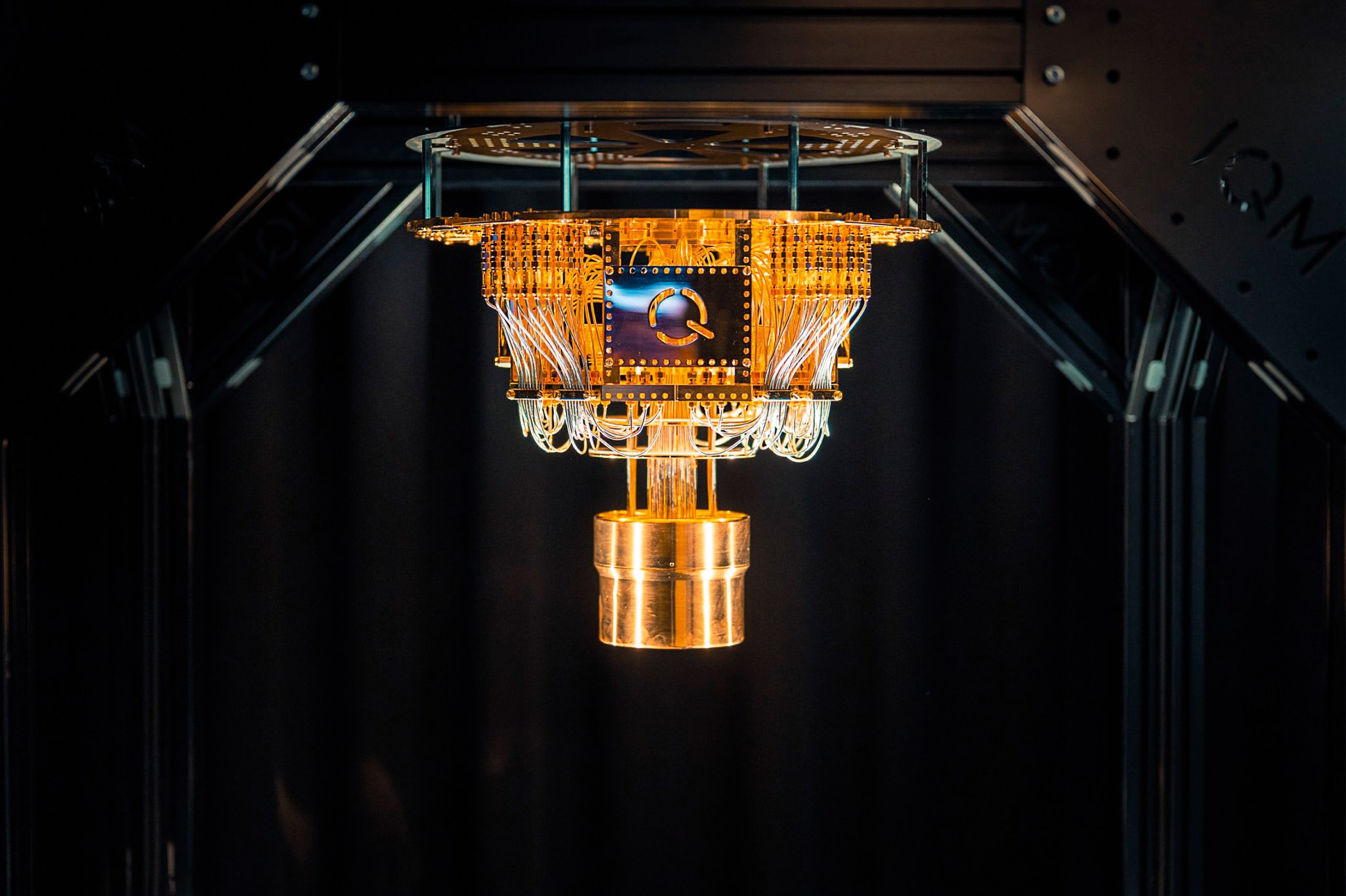
In September 2017, Google researcher Austin Fowler stood before a room of quantum engineers at a conference in College Park, Md., and admitted something rarely heard from Big Tech: He was stuck. Quantum computers make mistakes constantly, and every error must be caught within a millionth of a second before the whole calculation collapses. The best chip available was still 10 times too slow, Fowler said. Many in the room left convinced the problem might never be solved.
But across the Atlantic, on a quiet street in Cambridge, a five-person startup was developing its own solution to the problem. Steve Brierley, a Cambridge University research fellow, had founded Riverlane from his kitchen table the year before. “Even Google can’t solve this problem,” he recalls thinking when he heard Fowler’s admission. In 2024, Riverlane ran what it describes as the world’s first low-latency quantum error-correction experiment, decoding errors in under a microsecond— fast enough to keep the machine running.