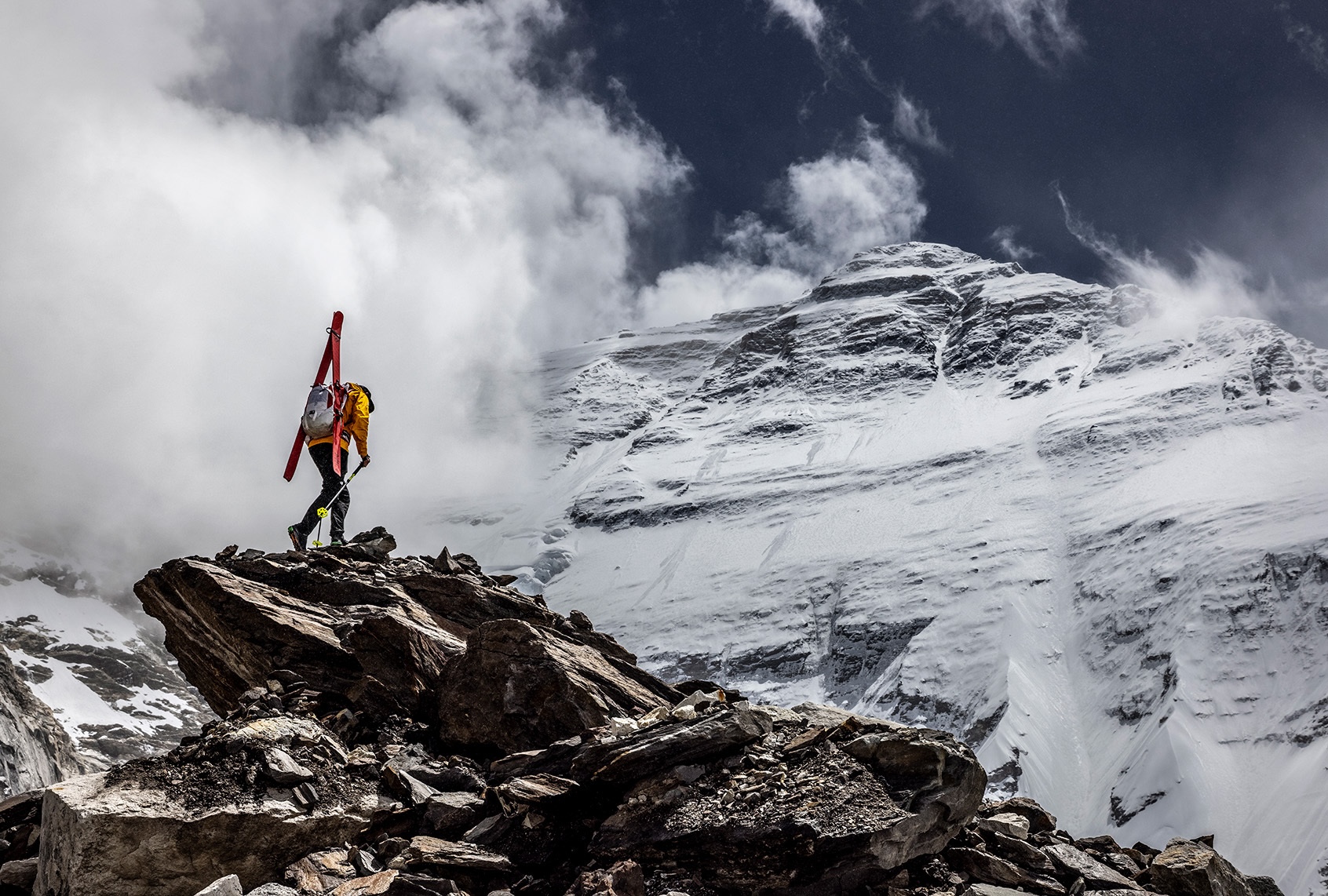
In the title of his 1997 bestselling adventure tale, “Into Thin Air,” mountaineer and writer Jon Krakauer employs a double entendre so clever that its effect is extraordinary. Throughout the book, Krakauer recounts his attempt to summit Mount Everest the year earlier in what would become, at the time, the mountain’s deadliest season. I’ve been momentarily halted by that title each time I’ve picked up my tattered $5 thrift-store copy over the last few weeks. It’s witty, but not grim; accurate but also imaginative. In three words, “Into Thin Air” conveys not only the literal effect of Everest’s high altitude and how quickly the mountain can take a life, but also the ardent, almost fatuous confidence of those who choose to climb it.
The dissonance between reason and ambition is what makes “Into Thin Air” such a compelling read. For someone like myself, who knows next to nothing about climbing, Krakauer powerfully elucidates the pull of a mountain like Everest and the trance-like state in which it ensnares its adversaries. Unlike some climbers, Krakauer can wax poetic while staying honest about the stakes. He writes about mountaineering as a spiritual practice, good for the mind and body alike, while questioning why some find that clarity only by staring death in the face. In that respect, extreme climbing is an incredibly selfish endeavor. Before he begins his push for the summit, Krakauer remembers his wife, Linda, telling him before he left for Nepal: “If you get killed, it’s not just you who will pay the price. I’ll have to pay, too. For the rest of my life.”