Los Angeles has the largest Central American population in the U.S., and the largest outside of
Central America itself. It is a community notable for its distinct regional culture — pupusas
outrival tacos in the densest Little Central Americas. And it is notable for its tenacity in the face
of hardship. It is a community of many survivors — having experienced not just one but several
generations of violence in its homelands — much of it linked to U.S. policy, which is why so
many Central Americans are here.
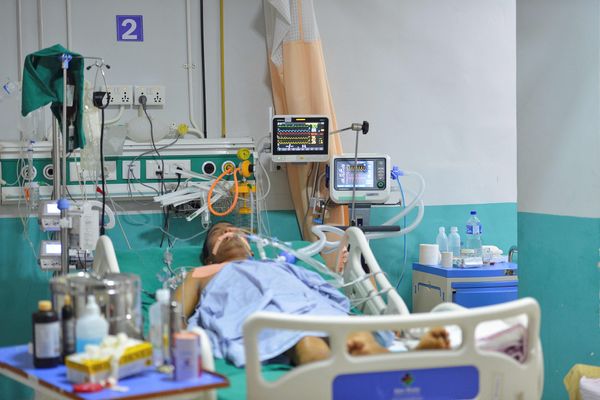
The Central American community was among the hardest hit by COVID-19 in Los Angeles, for obvious reasons: an overrepresentation among essential laborers, multigenerational families living together in crowded housing conditions and a lack of access to quality health care.
This was a tremendous blow to a community carrying the burden of transgenerational trauma. But Central Americans in L.A. have also learned how to take care of their own. Among those on the front lines of the healing is Rossana Pérez, mental health advocate, poet, teacher and veteran community activist since arriving in this country in 1983 after surviving the worst of the civil war in El Salvador — imprisonment, the loss of loved ones and a forced migration to this country.