On July 29, US Fed left interest rates unchanged at 3.50-3.75%. Eight days later on August 5, RBI kept the rate unchanged at 5.25%. The second decision was more or less ignored; the first pushed 30-yr US treasury yields to their highest since 2007.
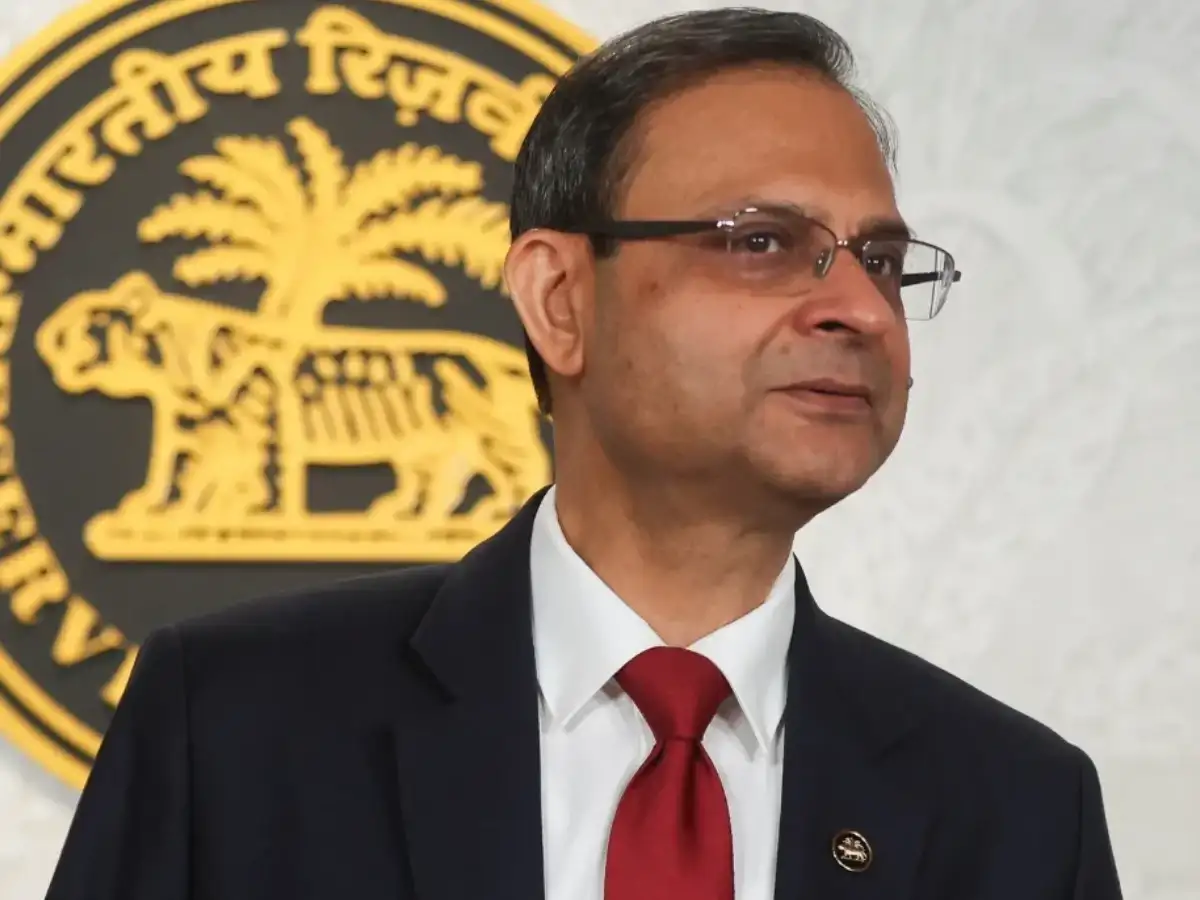
There was, as usual, no dissent in RBI’s Monetary Policy Committee (MPC). Traders had priced this in weeks in advance, not for lack of a case (June inflation hit 4.38%, an 18-mth high, with RBI’s forecast pointing to 5.1%), but because investors know MPC well enough to anticipate it. Such predictability can be a compliment for a central bank. It can also be a trap.