Here we go again. Apple Computer, Silicon Valley’s paragon of dysfunctional management and fumbled techno-dreams, is back in crisis mode, scrambling lugubriously in slow motion to deal with imploding sales, a floundering technology strategy, and a hemorrhaging brand name. About all that Apple’s 13,000 shell-shocked employees, its 30,000 hapless shareholders, and the 20 million queasy Macintosh faithful can do is look on in dismay, just as the company’s chronically passive board seems to be doing once again. In January, Wall Street joined the crowd, horrified by results announced for the quarter that ended December 27. Apple’s sales had plummeted by a frightening 32%, to just $2.1 billion, creating a stunning $120 million loss.
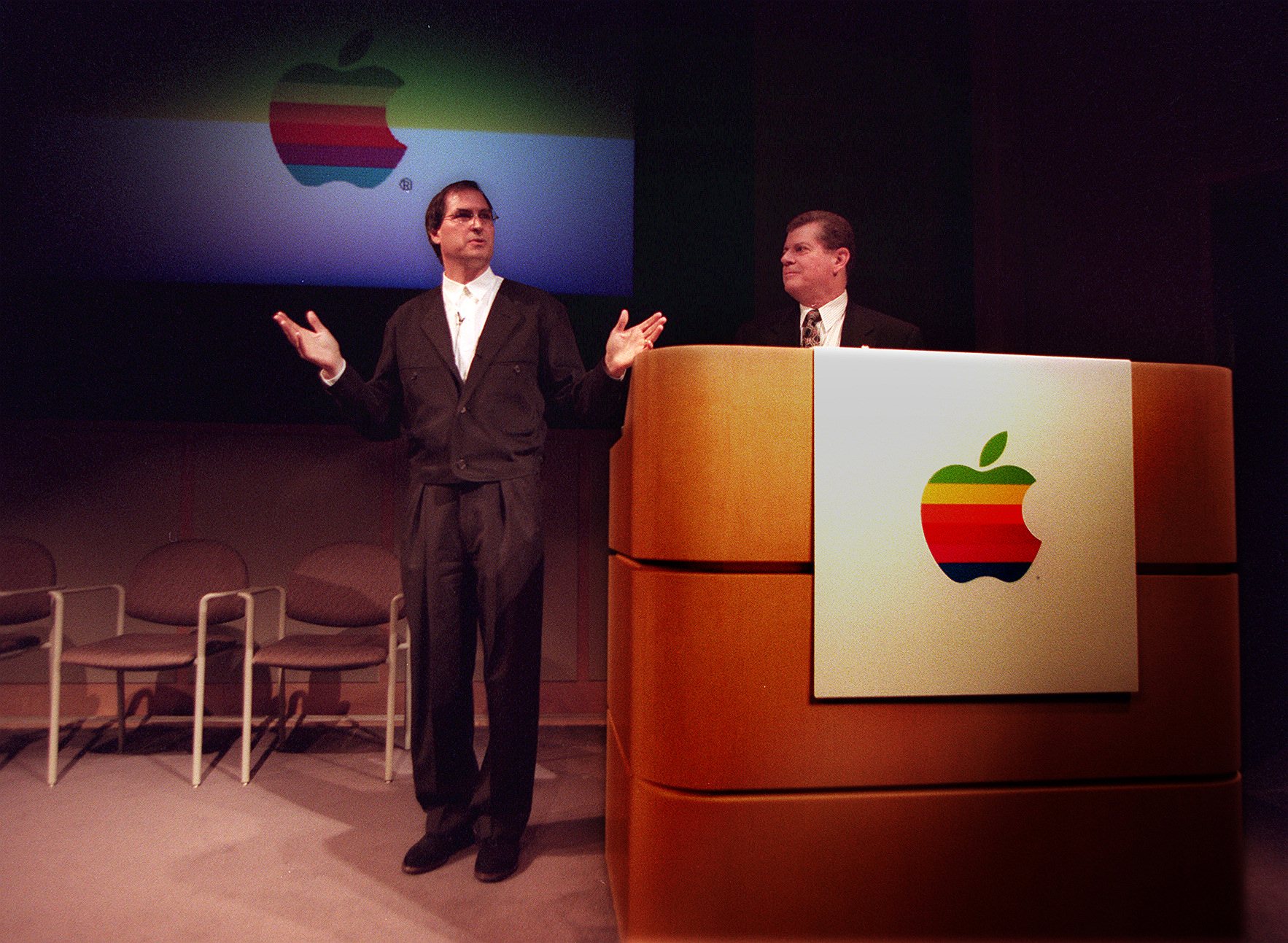
As they tried to glean hope from CEO Gil Amelio’s vague public pronouncements, onlookers had no way of knowing that, for all the apparent turmoil, what’s going on behind the scenes is even weirder. At Apple’s headquarters in Cupertino, California, a power play is in progress that calls into question who’s really running the company and that may very well put Apple in play once again. So thick is this plot that it reaches into the homes of some of the most powerful CEOs in Silicon Valley. The delicious irony is that what triggered the soap opera is a move Amelio hopes is his masterstroke: Apple’s $400-million acquisition of Next, and the advisory services of Steve Jobs that come bundled with it.