
Facing an unprecedented humanitarian catastrophe, Haiti is on the brink of state failure. No stranger to political and economic emergencies, the Caribbean country has been the focus of a half dozen United Nations peacekeeping missions since the 1990s. But never has this long-suffering nation seen the array of cascading crises now converging on its estimated 11.8 million residents: Some 4.7 million people are threatened by acute hunger, including around 2.4 million children. Cholera is spreading across most of the country’s departments. A succession of natural disasters has compounded these miseries.
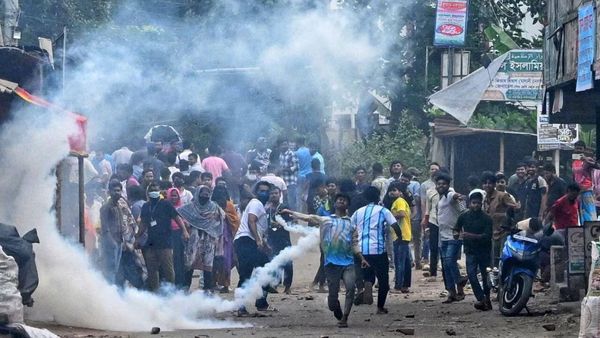
Yet the country’s worst afflictions, including an ongoing security crisis paralyzing the nation, are fundamentally man-made. The underlying drivers of Haiti’s woes are complex, but metastasized criminal gangs and the predatory political and economic corruption that enable them have made the country’s plight immeasurably worse. If left unattended, Haiti’s security crisis will only deepen, leading to further upheaval at home and beyond, with grim implications for regional stability.