
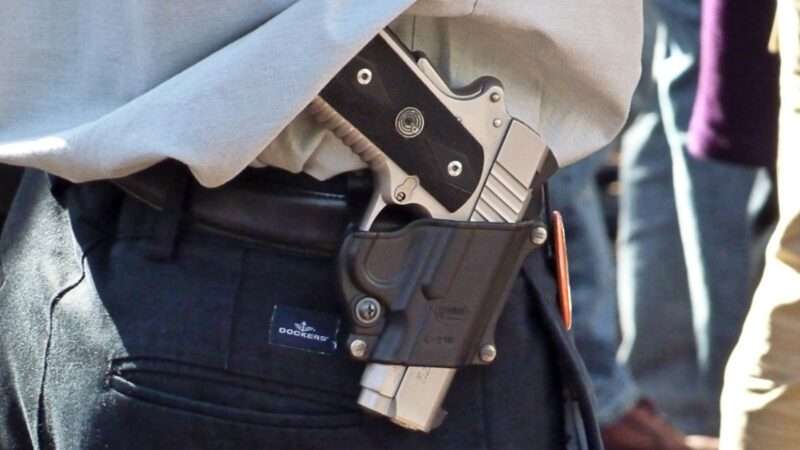
As of last week, 24 states have decided to let law-abiding adults carry handguns in public without a license. That policy, known as "constitutional carry," strikes critics as self-evidently reckless, while supporters think it improves public safety.
Both sides in the long-running debate about the practical impact of reducing legal barriers to public handgun possession can cite studies to support their position. But beyond that empirical question is a moral and constitutional issue that may render it moot: If people have a fundamental right to armed self-defense, should they need the government's permission to exercise it?













