
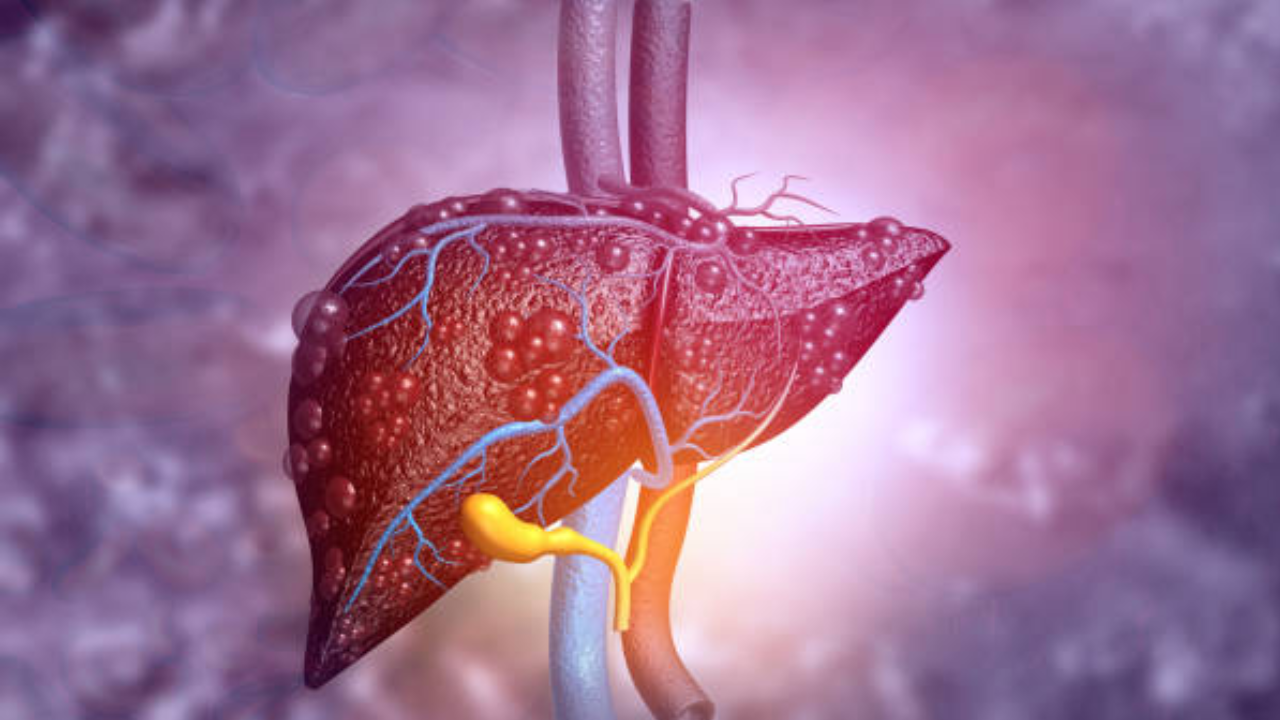
Hepatitis B and C are often referred to as silent epidemics due to their ability to remain asymptomatic for long periods while causing significant liver damage. Both viruses are major global health concerns, with millions of people affected worldwide. In India, these infections pose a substantial public health challenge, given their high prevalence and severe long-term consequences.
Hepatitis B (HBV) is a viral infection transmitted through contact with infectious body fluids, such as blood, semen, and vaginal fluids. This can occur through sharing needles, unsafe medical practices, and from mother to child during childbirth. HBV infection can be acute or chronic. While acute HBV can clear on its own, chronic HBV persists and can lead to severe liver conditions such as cirrhosis and hepatocellular carcinoma (liver cancer). India has a significant burden of chronic HBV, with an estimated 3-4% of the population infected. This high prevalence is partly due to low vaccination rates in certain regions and the vertical transmission from mother to child. The introduction of the HBV vaccine in the national immunization program has been a critical step in reducing new infections among children. However, more efforts are needed to improve adult vaccination coverage and to enhance public awareness about the importance of vaccination and safe practices to prevent transmission.













