
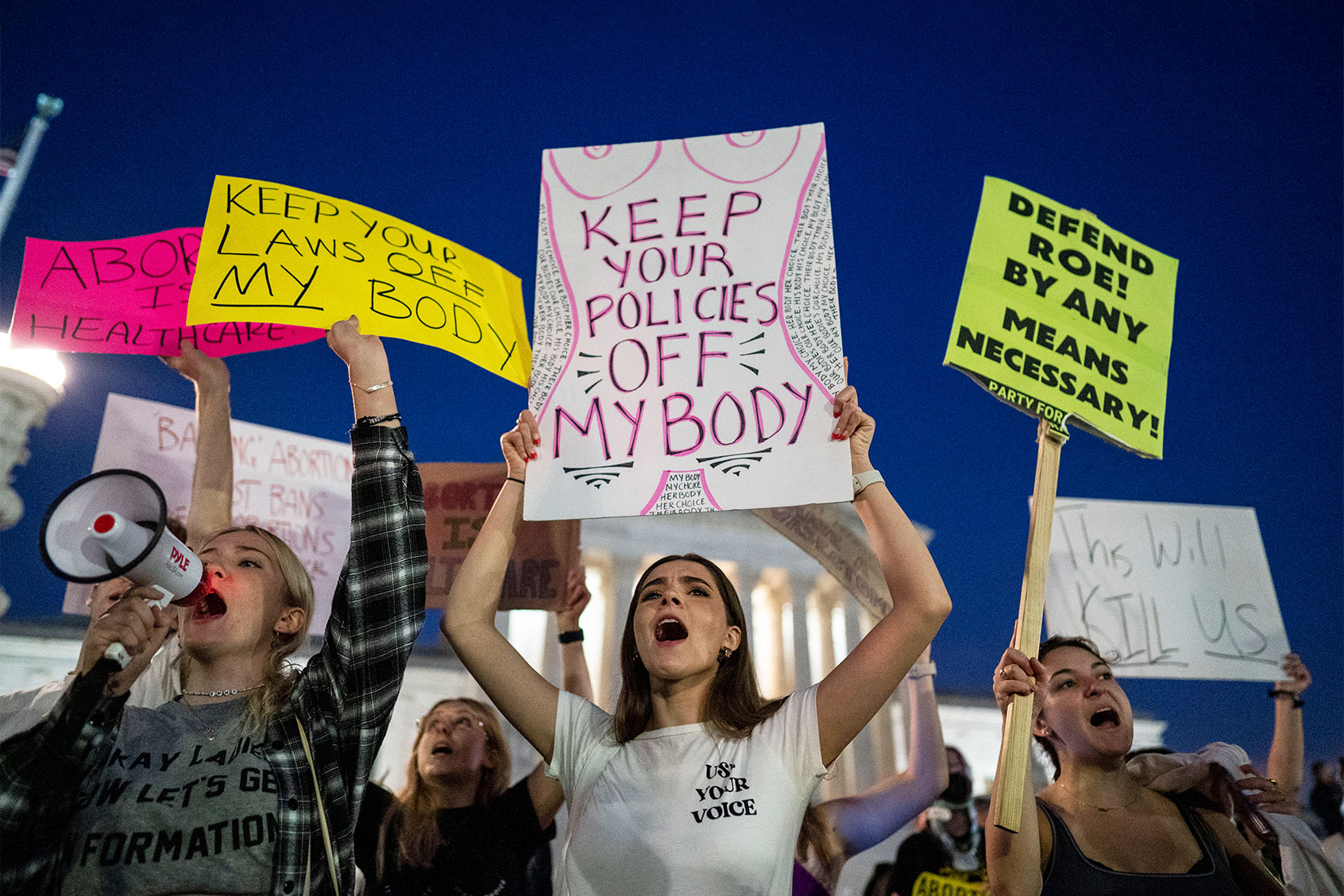
Conventional wisdom was wrong about the midterms, but in a deeper way than most observers have yet realized. It's not just that Democrats did better than expected, and the Dobbs decision and Trump-backed election-deniers weren't the only reasons. A lot of things went into those results, which were more complicated than most narratives allow. Through the haze of conflicting post-election narratives, the possibility for a long-term progressive realignment can be seen, combining the government activism of Joe Biden's major legislation (the American Rescue Plan, the Infrastructure Investment and Jobs Act, the Inflation Reduction Act, the CHIPS and Science Act) with the growing power of diverse social movements advancing racial, gender and climate justice, gun safety and more. As the younger voters who overwhelmingly support Democrats grow in strength, there's a path out of current gridlock and polarization based on a progressive agenda. But conventional wisdom can't even see it.
As I've noted previously — here, here, here, here and here, among others — as far back as 1967, Hadley Cantril and Lloyd Free's landmark book "The Political Beliefs of Americans identified a "schizoid" asymmetry in American politics: On the one hand, there's a plurality preference for conservatism, on an ideological or symbolic level, while on the other hand there's supermajority support for what the authors called "operational liberalism," meaning big government spending to solve specific problems. That's essentially what the Biden administration has delivered, as White House press secretary Karine Jean-Pierre recently summarized: "The most significant economic recovery package since Roosevelt ... the largest infrastructure plan since Eisenhower ... the most sweeping gun reform bill since Clinton ... Landmark China competitiveness legislation that's already bringing manufacturing jobs back from overseas ... the largest climate change bill in history."












