
It's always challenging to talk about death. It's even harder when helicopters are drowning out your conversation. On a flawless Charleston spring afternoon, I was chatting with a palliative care social worker. We were both there to attend a lectureship on the ethics of organ transplantation, but as we stood outside a Medical University of South Carolina building during a break, we couldn't ignore that our words were being increasingly muffled out by an overhead whirr.
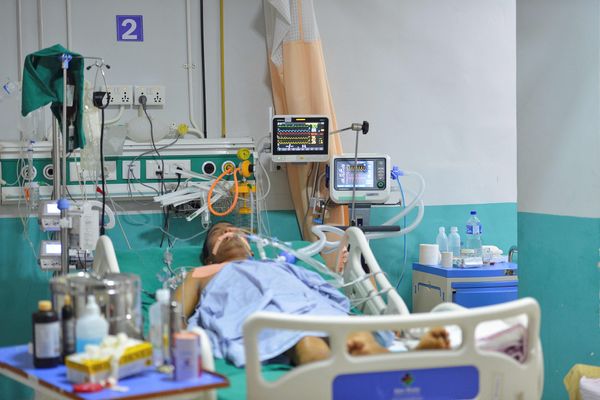
My companion looked upward. "Probably another critical care patient," she said, clearly accustomed to the sound. Hovering in the cloudless sky over our heads, there was a living person in crisis, someone who might in the very near future become a dead body. I was there learning how fluid the difference between those two states really can appear. In this country, we have spent decades debating when life begins, and the ethical and legal implications of that question. But when does death begin? And what do we do when it looks uncannily like life?