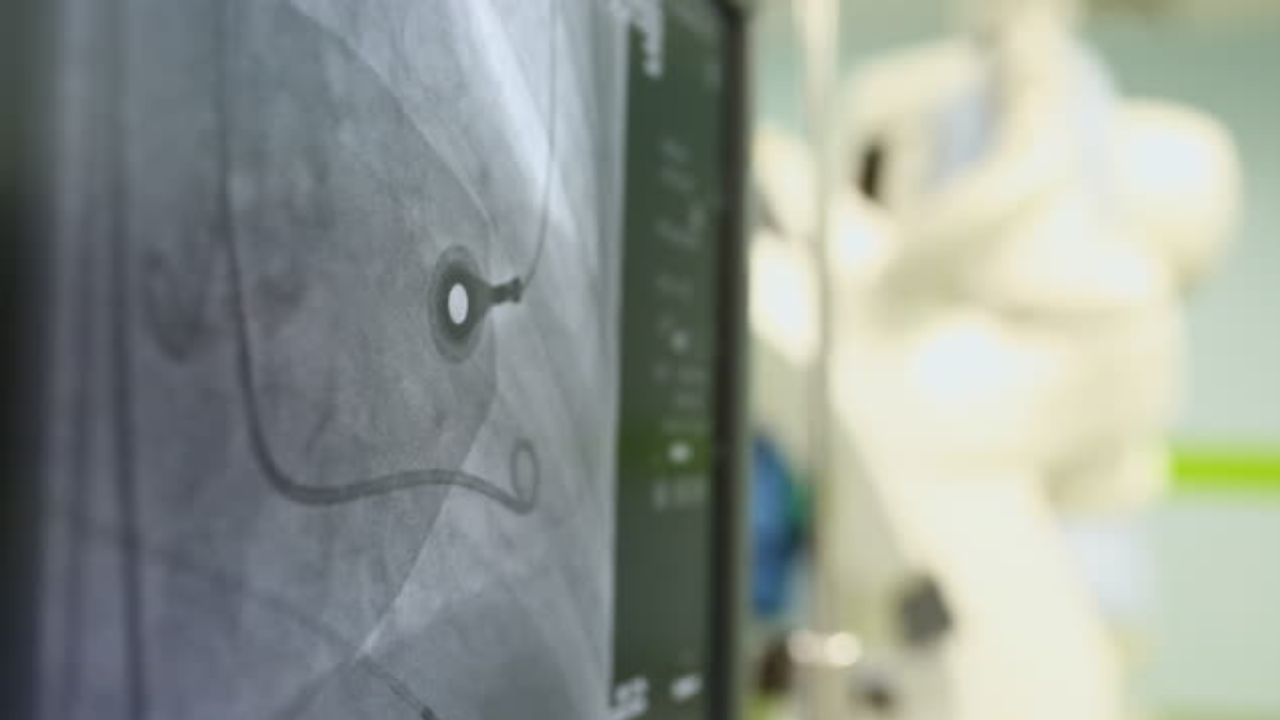
The human heart, a marvel of biological engineering, is responsible for the tireless pump of blood throughout our body. And does so while maintaining a rhythm. Also known as the heartbeat, rhythm is the regular sequence of contractions and relaxations of the heart muscle as it circulates blood. This rhythm is typically regular and consistent.
However, when the rhythm falters, it can lead to potentially life-threatening situations. In the medical parlance, abnormal or irregular heart rhythms or heartbeats are known as arrhythmia. They occur when the electrical impulses that coordinate our heartbeats don't work properly. As a result, our heart can beat too fast or too slow or irregularly. The symptoms of arrhythmia are palpitations, dizziness, shortness of breath, chest pain, or fainting.