
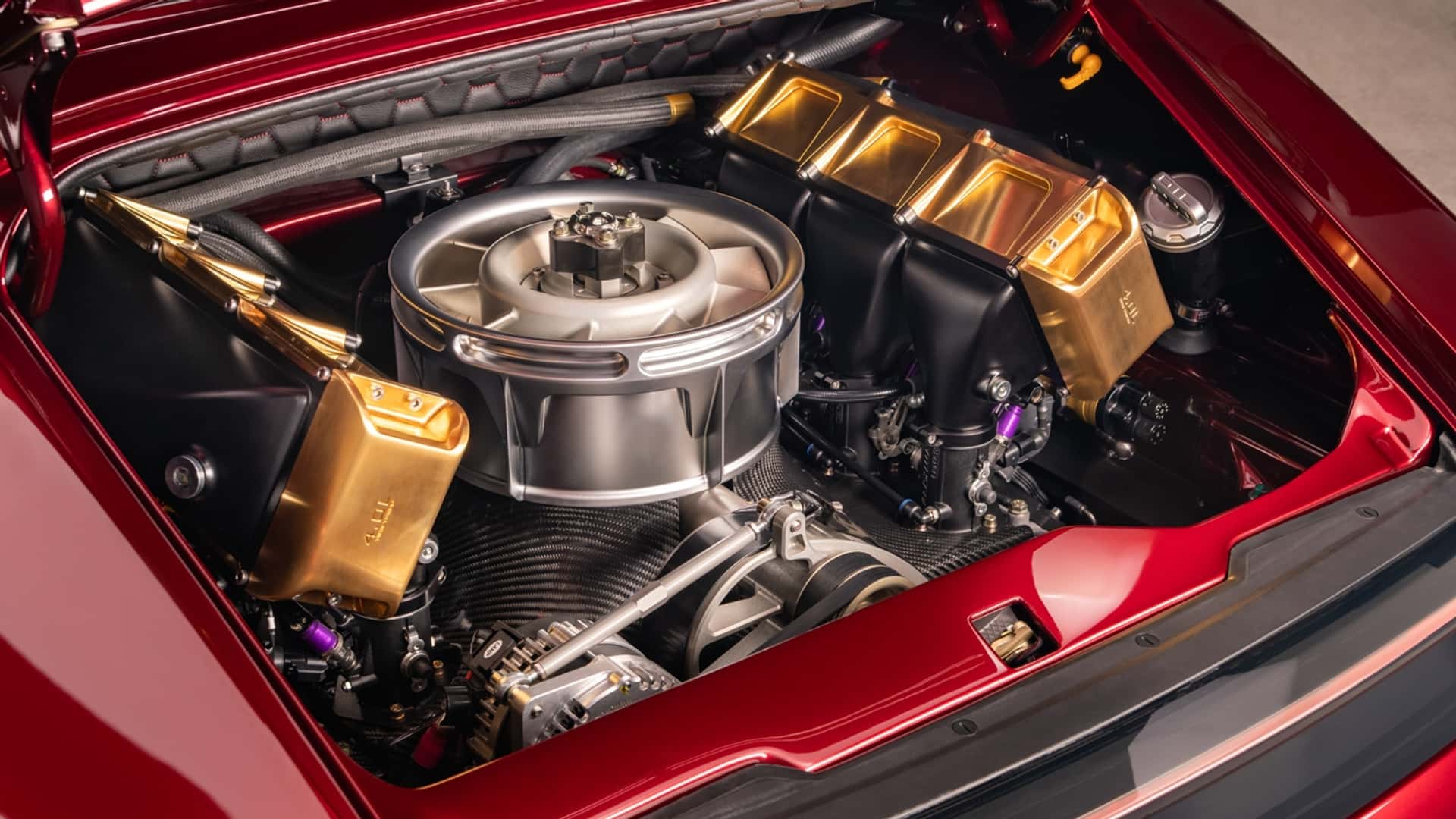
Turbochargers are everywhere these days. From relatively affordable compact cars to high-performance sports cars and massive pickup trucks, automakers have embraced turbocharging as a way to squeeze more performance out of smaller engines. But few drivers know exactly how a turbocharger manages that. After all, there's no extra displacement, and the engine is not necessarily getting any bigger.
The secret is actually pretty clever. A turbocharger uses energy from the engine's exhaust gases to force more air into its cylinders, allowing it to burn more fuel and produce more power. It's a relatively simple concept involving a pair of spinning wheels, a shared shaft, and some clever engineering. Here's how the whole process works and why it makes such a difference.












