
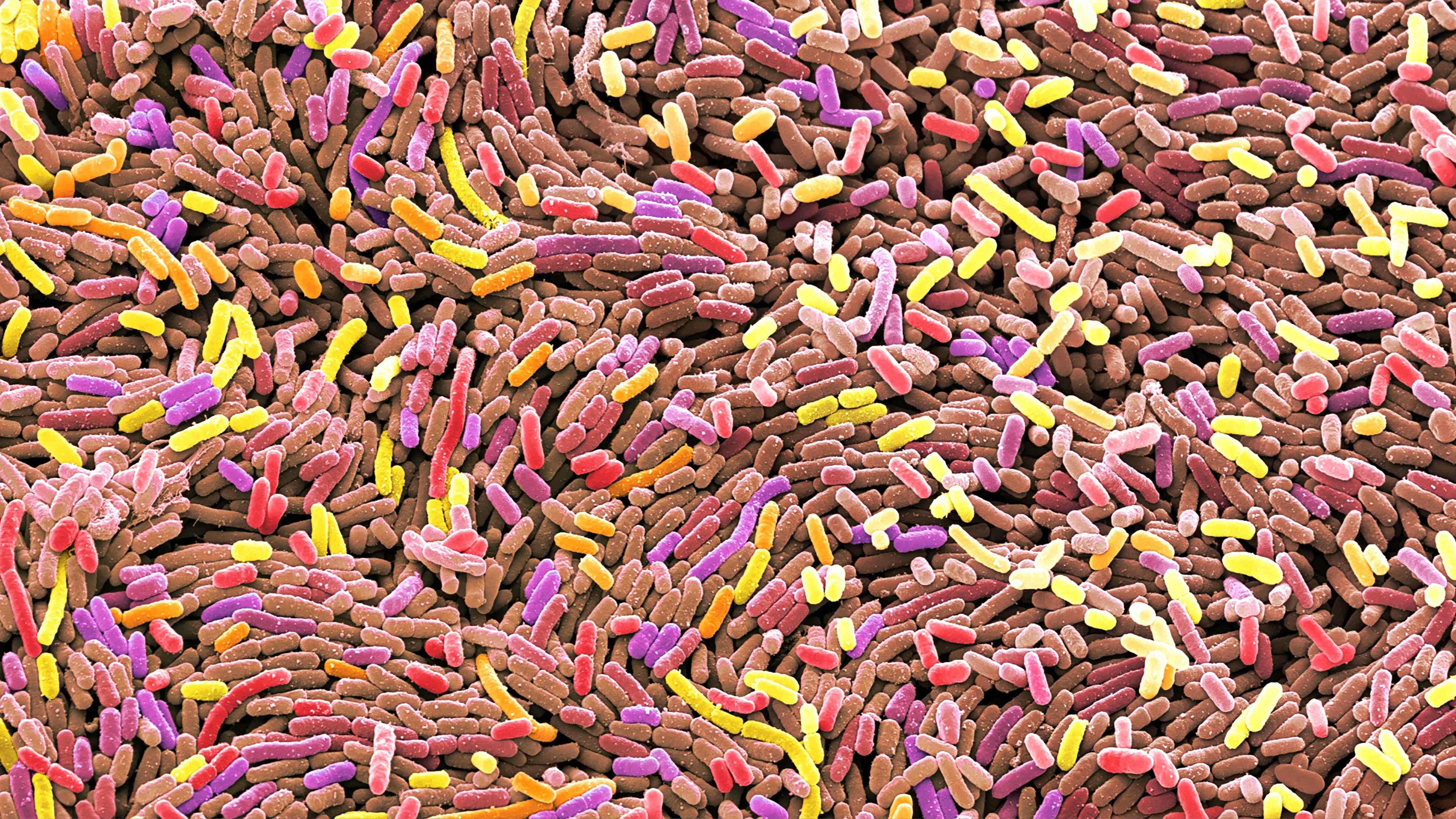
Antibiotic resistance is one of the biggest global health challenges. Our most potent antibiotics become less effective as bacteria mutate and develop new defense strategies against these drugs. So, how fast can bacteria develop antibiotic resistance?
Although it depends on the species of bacteria and many other factors, "essentially it can be instantaneous to several days of evolution," Mark Blaskovich, a medicinal chemist and co-founder of the Centre for Superbug Solutions at The University of Queensland in Australia, told Live Science. "Selection pressure that leads to new mutations that are able to provide resistance can happen in one generation, or at the point of doubling."













