
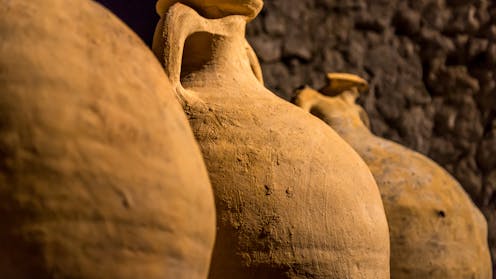
Before artificial sweeteners, people satisfied their cravings for sweetness with natural products, including honey or dried fruit. Raisin wines, made by drying grapes before fermentation, were particularly popular. Historical records show these wines, some known as passum, were enjoyed in the Roman Empire and throughout medieval Europe. The most famous of raisin wine of the period was Malmsey, with varities of this type produced across the Mediterranean.
Today, the popularity of raisin wines has declined, although some still are held in very high esteem. The best-known of these are Italy’s appassimento (literally “withering”) wines, such as Amarone. High-quality modern raisin wines from the Veneto region of Italy are left to dry for three months before being pressed and undergoing fermentation, a time-consuming process.














