While the concept of the multiverse might be partially responsible for exacerbating “superhero fatigue” on the big screen, in the comics, the idea has been one of the driving forces behind some of the most interesting developments in the superhero genre. Originating with DC’s seminal 1961 comic issue Flash of Two Worlds, the concept of alternate universes would go on to form the backbone of some of DC and Marvel’s most celebrated storylines: Crisis on Infinite Earths, Final Crisis, the Ultimate Universe, and 2015’s Secret Wars (which Avengers: Doomsday and its sequel will partially be based on). Sixty-plus years after that Flash issue, it feels like multiverse stories are as baked into the DNA of the genre as capes and supervillains.
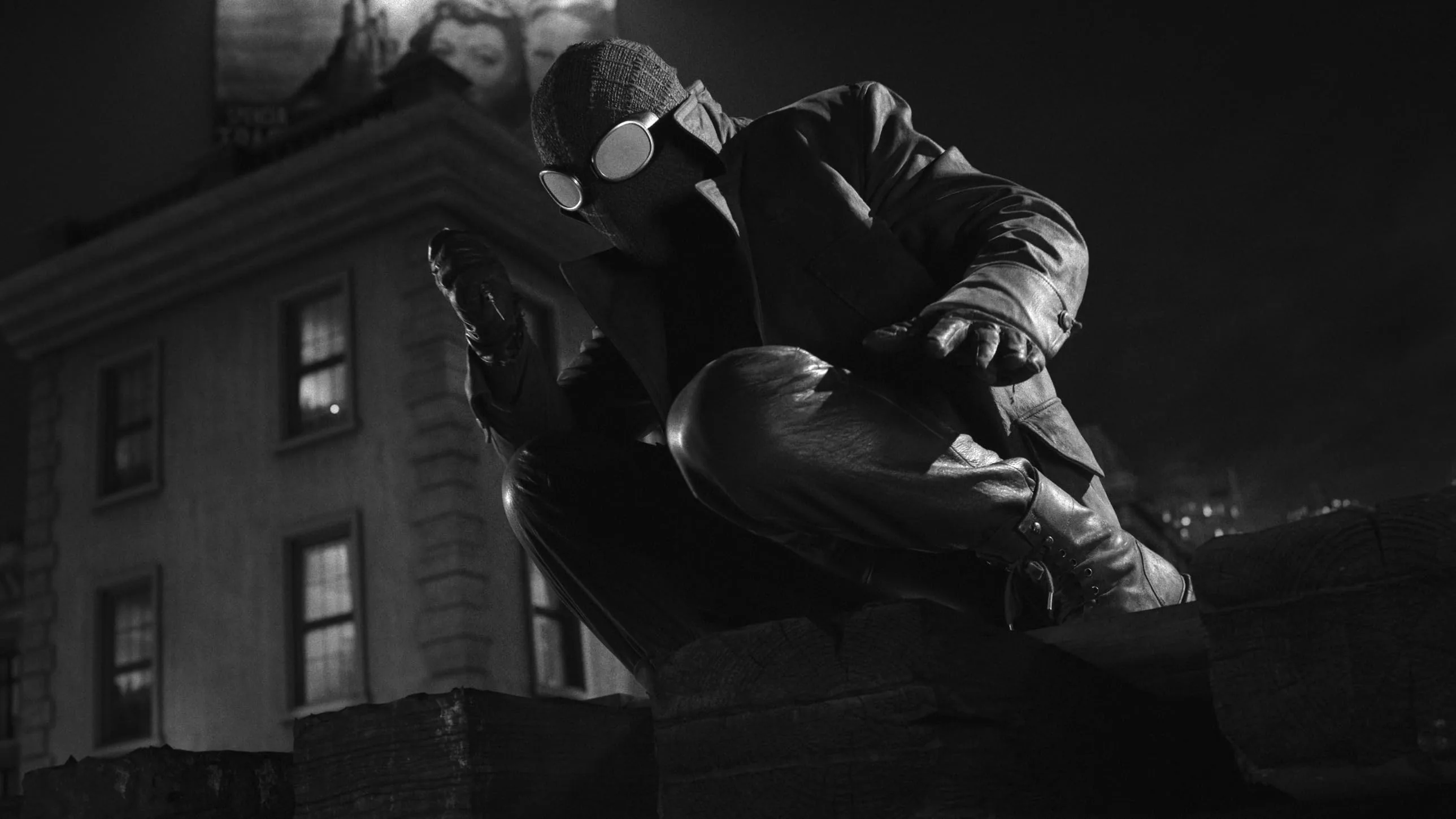
Along with the high stakes that come from stories about two worlds violently colliding, the multiverse has also given plenty of comic book writers the chance to experiment with reimagining iconic characters in totally unexpected, new circumstances. Superman if he were raised by Joseph Stalin, Doctor Doom if he became the Sorcerer Supreme instead of Stephen Strange — both DC and Marvel have leaned hard into alternative depictions of their beloved characters, and one of the most interesting of the last few decades has been Spider-Man Noir, a hard-boiled version of Peter Parker inspired by classic film noir. After making his cinematic debut in Spider-Man: Into the Spider-Verse, the character just received a live-action TV series (as a separate version also played by Nicolas Cage), and although the show bears some similarities to his debut comic, it also differs in quite a few key ways.