American Kevin Strickland was exonerated after spending 42 years in prison for being wrongfully convicted of a triple murder in November 2021. His 1978 conviction was based on mistaken identification of an eyewitness. The eyewitness later said that police pressured her into identifying Strickland, and attempted to have her testimony recanted but failed. She died in 2015.
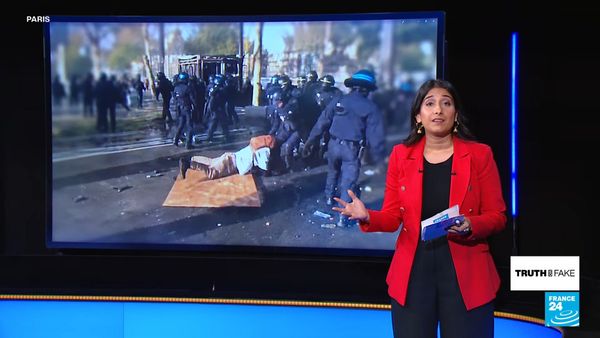
Law enforcement agencies worldwide struggle with the unreliability of eyewitness identification and scarcity of physical clues at crime scenes. There is a wealth of evidence showing that mistaken eyewitness identification is a contributing factor in wrongful convictions. Police only collect physical evidence in approximately 15% or less of crime scenes. This makes non-physical evidence like eyewitness testimony extremely important.