When a British judge temporarily blocked Julian Assange's extradition in 2021, the decision was based on concerns about the WikiLeaks founder's mental health and the fear that he would kill himself in U.S. custody. The judge accepted the U.S. Justice Department's counterintuitive argument that prosecuting Assange for publishing government secrets would be consistent with freedom of expression, because he "disclosed materials that no responsible journalist or publisher would have disclosed."
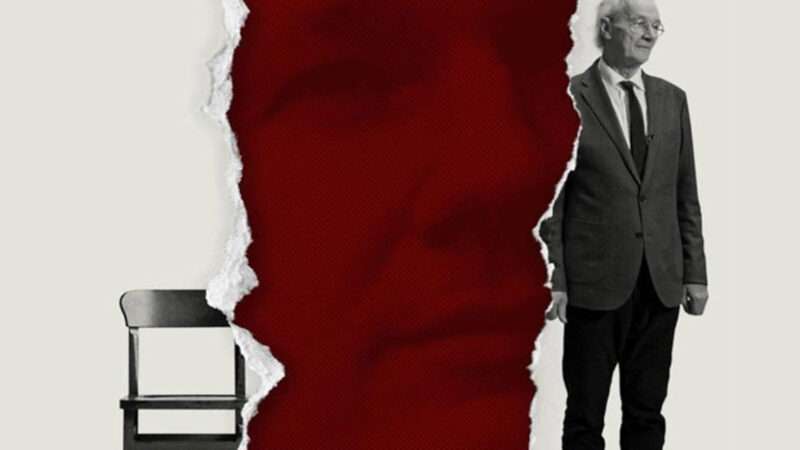
As the documentary Ithaka emphasizes, however, the Espionage Act makes no such distinction. Nearly all of the charges against Assange are based on conduct indistinguishable from what major news outlets routinely do. Indeed, that conduct resembles what they did in this very case by publishing articles based on the Defense Department files and State Department cables that WikiLeaks obtained from former Army intelligence analyst Chelsea Manning. Hence the slogan on a familiar poster urging freedom for Assange: "Journalism is not a crime."