
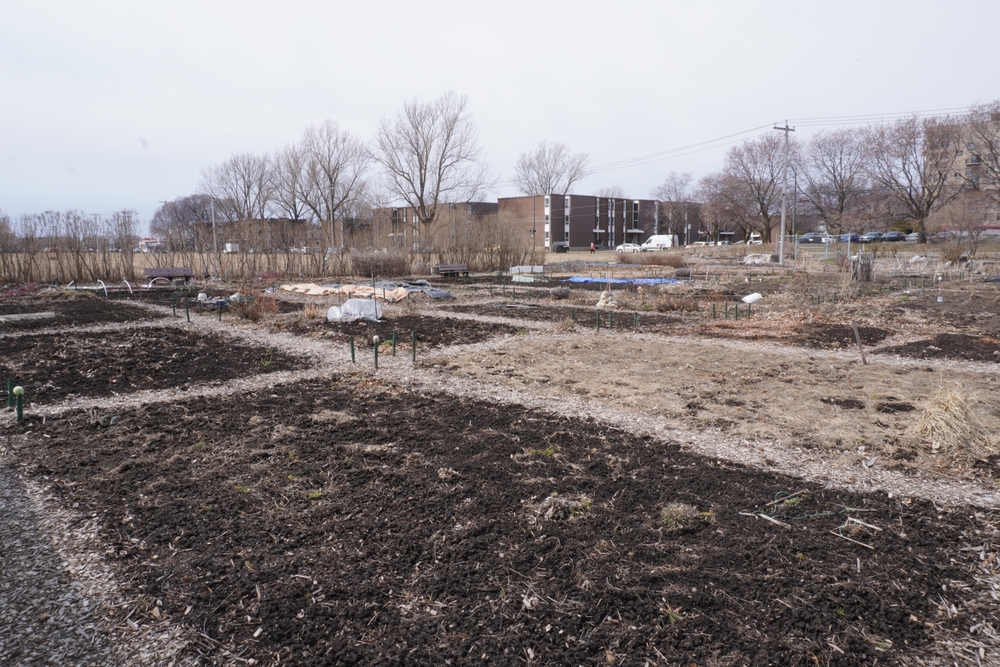
After the last tomatoes are picked and exhausted vegetable plants come out, a perfectly bare garden bed can feel satisfyingly clean. The problem is that soil doesn’t necessarily benefit from spending the next several months exposed to pounding rain, wind, weeds, freezing temperatures, and repeated freeze-thaw cycles. University of Minnesota recommends keeping garden soil covered because mulch and cover crops protect valuable topsoil from erosion, conserve moisture, suppress weeds, and moderate soil temperatures. Leaving bare garden soil over winter can therefore trade one afternoon of fall convenience for erosion, weeds, crusted soil, and additional spring preparation. Fortunately, protecting an empty bed doesn’t require buying expensive products or turning fall gardening into another major project.













