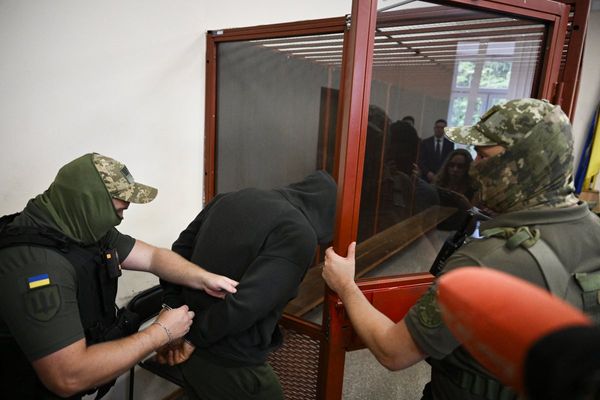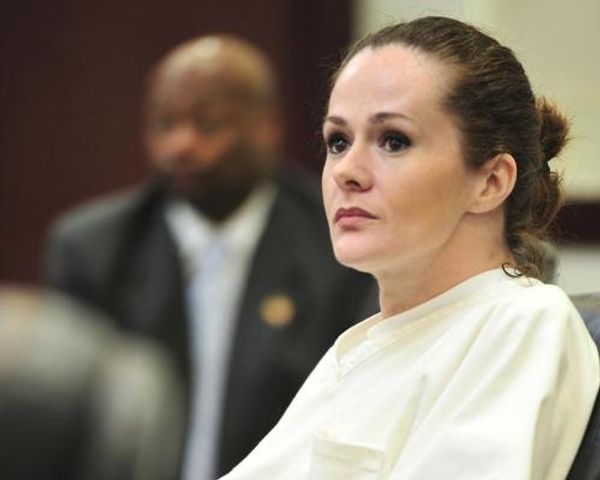
Jasmine Torres tried to answer the phone call, but cell service was poor at her factory job. Torres has been on a GPS ankle monitor since December 2021 as a condition of her parole, and the command center was calling to check in. She paid for the missed call with a month in jail.
Torres is one of the 437,000 people on parole or probation in Texas, a number that accounts for more than half of all the people affected by the criminal justice system as a whole, according to a recent report by the Prison Policy Initiative (PPI). Almost twice as many people are under community supervision—an umbrella term that includes probation and parole—as are incarcerated in prisons or jails nationwide.
“Probation and parole are often used as what people think about as rehabilitative alternatives to incarceration,” said Wanda Bertram, a spokesperson for PPI. “Someone might say sticking somebody in prison for a drug crime is way too punitive of a response to a drug crime, and they should put people on probation instead.” She adds the reality is that these systems are still “extremely punitive.”