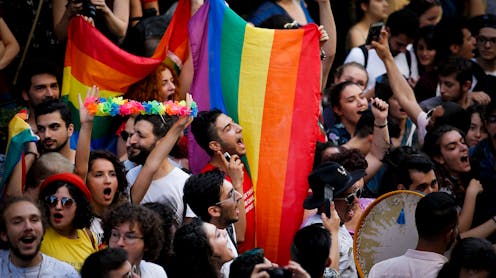
The idea of “lived experience” – knowledge gained through direct, personal experience – is now central in activism, academia and politics. Popularised by feminist thinkers like Simone de Beauvoir and concepts like standpoint theory, it makes sense that people see the world differently based on what they’ve been through. And movements like #MeToo showed how sharing personal stories, particularly for oppressed, marginalised or victimised groups, can drive real change.
Lived experience lends authority to those long excluded from public debate, offering insight traditional expertise may miss. But it also raises questions about who gets to speak. Those without direct experience of an issue can find their place in activism questioned.