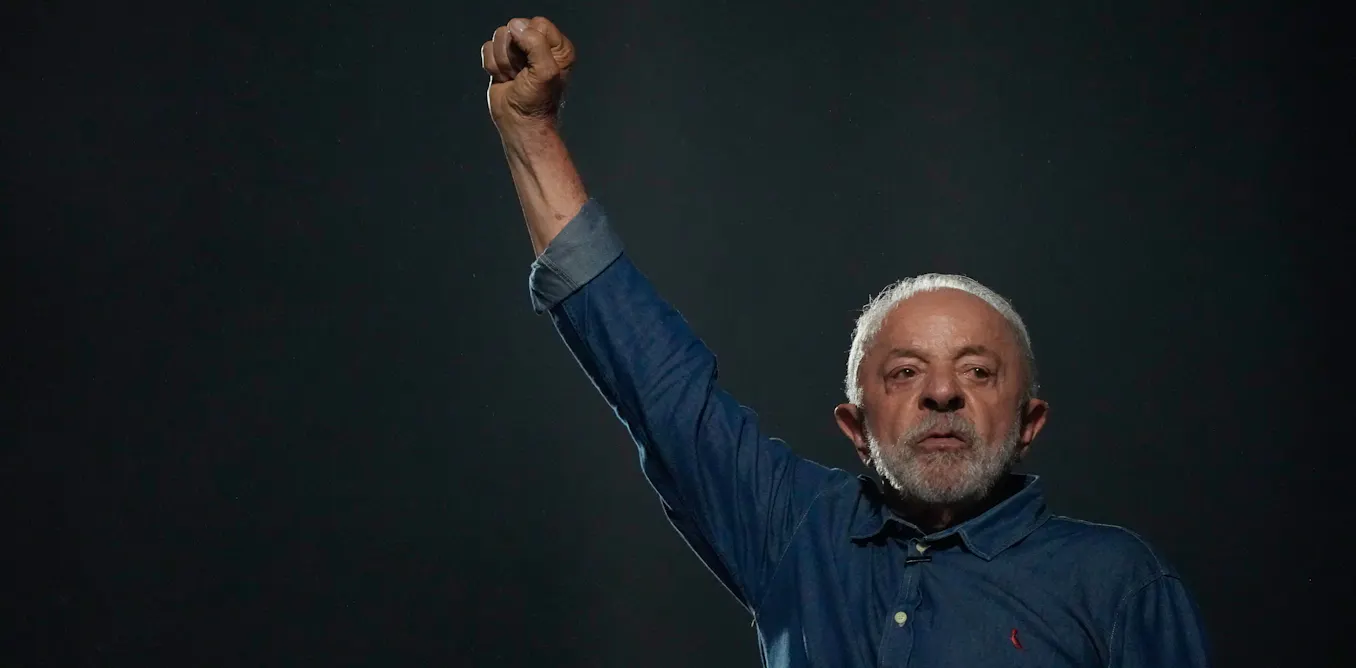
On 25 October 2026, Brazil’s President Luiz Inácio Lula da Silva secured a fourth term in an election that exposed both the resilience of Brazilian democracy and the depth of the far right’s social roots. Lula received 51.79% of valid votes in the runoff against far-right candidate Flávio Bolsonaro’s 48.21%.
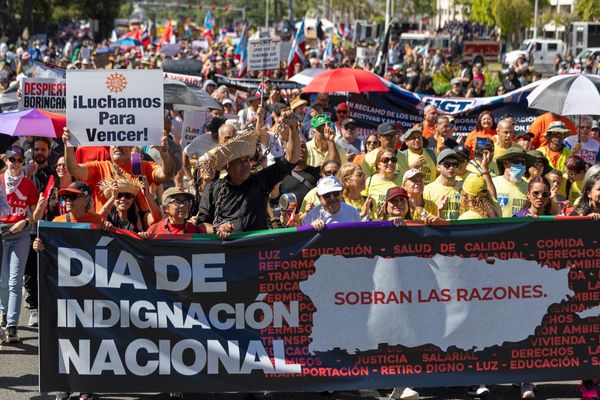
Three weeks earlier, however, the outcome had looked very different: Flávio - son of former President Jair Bolsonaro, now jailed for a coup attempt after losing his bid for reelection in 2022 - led the first round with 47.03% of the valid votes, compared with Lula’s 45.16%. The reversal was not simply an electoral comeback. It revealed how a campaign that had failed to generate enthusiasm could be transformed through collective mobilization, both online and in the streets.