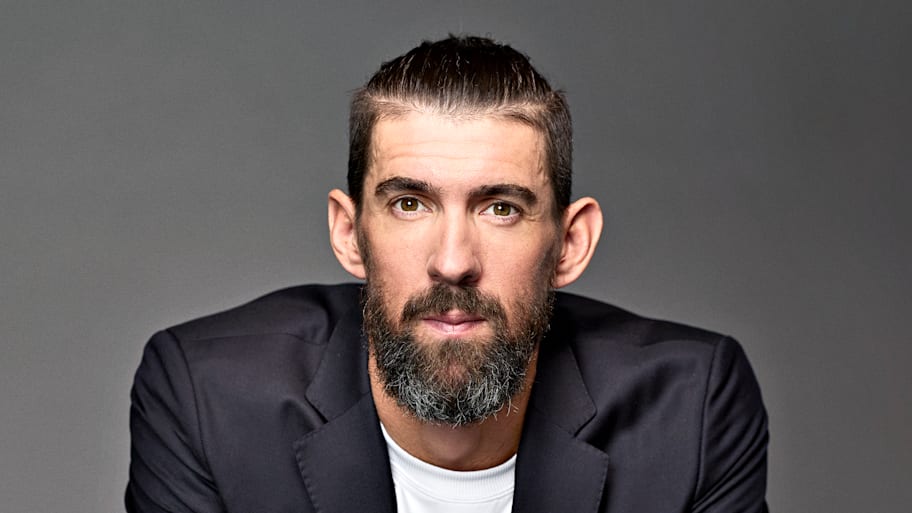
In the fall of 2015 I went to Arizona to report a story on Michael Phelps for Sports Illustrated. It was in one way a dutiful piece: Phelps was already the greatest swimmer in history and already the most decorated Olympic athlete (22 medals, 18 gold—absurd numbers that he had normalized), and here he was already deep in preparation for his fifth and, almost assuredly final, Games.
But the piece was in another way something more. A year earlier Phelps had been arrested in his hometown of Baltimore, driving erratically at 84 mph in a 45-mph zone. He tested as legally impaired and was charged with DUI, excessive speed and crossing double lane lines. It was his third transgression in a decade of fame (a DWI in 2004 at age 19; and in 2009 he was photographed using a bong and suspended for three months by USA Swimming), but the most troubling, not because of the dangerous speed and heavy drinking, but because he was 29 years old. Youth was no longer a credible excuse. Phelps had announced shortly after the incident that he was entering a residential treatment facility, but shared no specifics as to what led him there or what would be addressed. He returned to swimming in the spring of 2015 and performed near his usual levels. Phelps answered some questions after races, but revealed little.