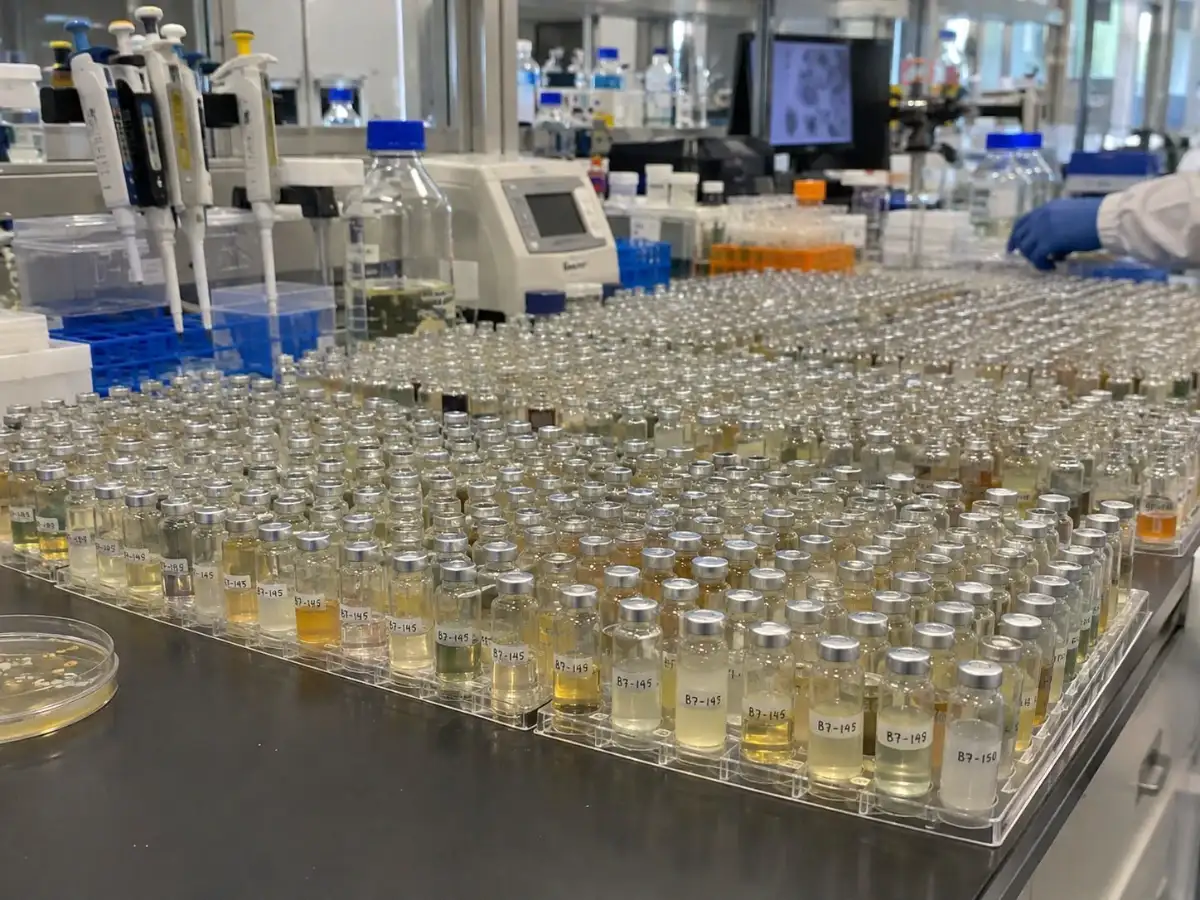
A new explanation for why some probiotic supplements may not work could lie in a petri dish of soil. A team of MIT physicists created over 400 tiny ecosystems, each containing 12 to 20 different species of soil bacteria, then introduced one new species into each community to see which ecosystems would let the newcomer establish itself. A 2025 study titled “Collective dynamical regimes predict invasion success and impacts in microbial communities,” published in the journal Nature Ecology and Evolution, led by physicist Jiliang Hu and MIT professor Jeff Gore, found that the ecosystems most easily invaded were not the most stable ones, but the most chaotic: communities with constantly fluctuating bacterial populations. In contrast, the more ordered ecosystems resisted the new arrival. This may seem like a narrow finding, but it challenges decades of ecological thinking about biodiversity and invasion, and it has implications for the wellness industry built around boosting gut bacteria.
Biodiversity was meant to protect you