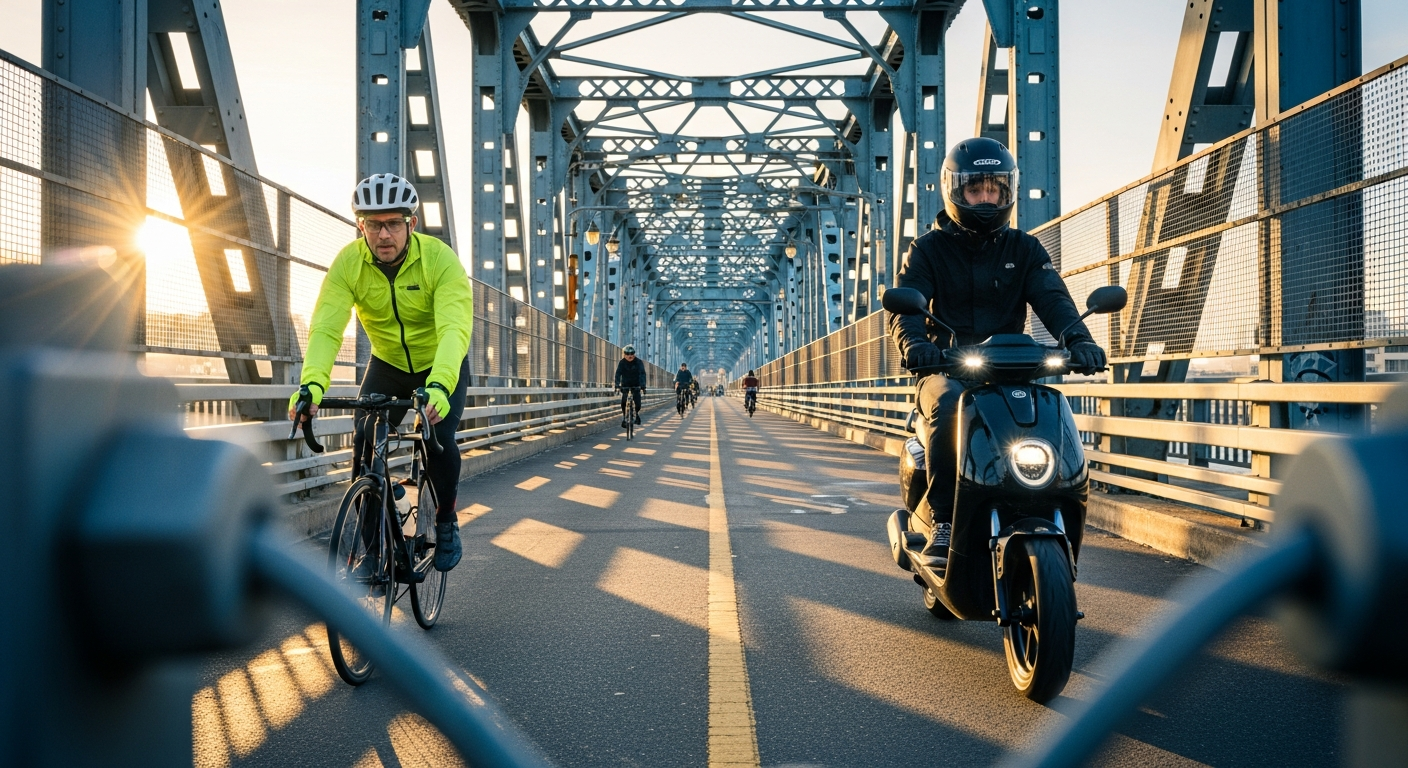
Image generated by Gemini
Urban cycling offers an efficient, sustainable, and invigorating way to navigate congested city streets. However, sharing narrow roadways with multi-ton motor vehicles requires heightened situational awareness, proactive defensive riding habits, and a clear understanding of what to do when things go wrong. Whether commuting daily through dense metropolitan corridors or enjoying weekend rides across neighborhood greenways, preparation is a cyclist’s strongest asset. By mastering preventive road positioning and responding calmly and methodically to minor collisions or near-misses, riders can significantly reduce their risk of injury and protect their legal and medical well-being.
Proactive Habits and Immediate Post-Incident Protocols
Staying safe on busy city streets begins long before you clip into your pedals. Defensive urban cycling is built on predictability and visibility. Motorists frequently suffer from inattentional blindness—scanning specifically for other cars while overlooking narrower profiles like bicycles. To counter this, position yourself where drivers naturally look rather than hugging the extreme right edge of the road, where parked car doors, storm grates, and debris create constant hazards. Taking the lane when a street is too narrow to share safely prevents motorists from attempting dangerous, close-quarters passes.
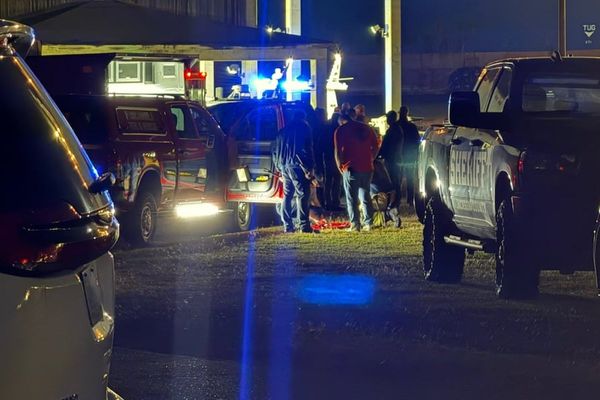
Even the most vigilant riders can encounter sudden obstacles, distracted drivers, or unexpected mechanical failures. Because high-stress moments impair memory and decision-making, memorizing a structured response plan ahead of time is essential. If you are ever knocked off your bike or clipped by a turning vehicle, knowing the exact steps to take after a cyclist-car crash in Queens or any other dense urban borough can make a critical difference in preserving physical evidence, securing accurate police documentation, and protecting your health. The moments immediately following a minor impact or close call are often chaotic, and adrenaline can easily mask soft-tissue injuries, concussions, or internal bruising.
When an incident occurs on the road, prioritize safety and documentation in a clear sequence:
-
Move Out of Active Traffic: If you can stand and walk without worsening an injury, move yourself and your bicycle out of the travel lane onto a sidewalk or protected shoulder to prevent secondary collisions.
-
Assess Physical Symptoms Calmly: Before waving off a driver or insisting you feel fine, take several slow breaths and check for dizziness, neck stiffness, joint pain, or numbness. Adrenaline frequently suppresses pain signals for hours after an impact.
-
Summon Official Assistance and Exchange Information: Call 911 if anyone is injured, there's a traffic hazard, or a driver tries to leave the scene. Because urban police departments (including the NYPD) typically do not respond to minor, property-damage-only crashes, always collect the driver’s name, phone number, driver’s license number, license plate, and insurance details directly—and file a state motor vehicle crash report (such as New York’s Form MV-104) when required.
-
Preserve Scene Details: Use your smartphone to photograph vehicle license plates, the positioning of the car and bicycle, skid marks, traffic signals, and any visible damage to your helmet, clothing, or frame.
-
Collect Witness Information:Bystanders, delivery workers, and shopkeepers often see angles of an intersection that the rider missed. Ask for names and contact information before they disperse.
Mastering Visibility and Road Positioning
Visibility in urban environments goes far beyond wearing bright colors during the day. At dawn, dusk, and night, active lighting is non-negotiable. A steady, high-lumen white front light illuminates road hazards and helps oncoming drivers judge your speed, while a pulsing red rear taillight draws peripheral attention from approaching traffic. Adding retroreflective tape to moving parts—such as crank arms, wheel rims, or ankle bands—creates a distinct biological motion pattern that drivers recognize as human far faster than a stationary reflector.
Equally important is managing the "door zone," the three-to-four-foot space adjacent to parallel-parked vehicles. A sudden opening door leaves a cyclist with virtually zero reaction time, forcing either a direct impact or an involuntary swerve into moving traffic. Riding consistently outside this zone, while scanning parked cars for brake lights, exhaust plumes, or silhouettes in side mirrors, eliminates one of the most common urban cycling hazards.
At intersections—where most vehicle-bicycle conflicts occur—never assume a driver sees you just because you make eye contact. Watch the front wheels of waiting vehicles rather than the driver’s face; wheels reveal the earliest sign of movement or turning intent. Avoid filtering up the blind spot of large commercial trucks or buses at red lights, as wide right turns can easily trap a cyclist against the curb.
Essential Gear Maintenance and Pre-Ride Checks
Mechanical reliability directly supports rider safety. A simple 60-second pre-ride inspection—often referred to as the "ABC Quick Check"—forestalls preventable mid-ride failures that can compromise control in heavy traffic:
-
Air: Squeeze both tires firmly or check pressure with a gauge to ensure they match the sidewall rating. Underinflated tires increase rolling resistance and heighten the risk of pinch flats over potholes, while overinflated tires reduce wet-weather traction.
-
Brakes: Squeeze both brake levers independently while rolling the bike forward to verify firm engagement without the levers touching the handlebars. Inspect brake pads for uneven wear and ensure rotors or rims are free of oil and grime.
-
Chain and Drivetrain: Lift the rear wheel and spin the pedals to confirm the chain moves smoothly through the gears without skipping, binding, or squeaking. A well-lubricated drivetrain ensures crisp acceleration when clearing wide intersections.
Beyond mechanical upkeep, inspect your helmet regularly for hairline cracks in the foam liner, frayed straps, or worn retention dials. Helmets are engineered to absorb a single significant impact; if your helmet strikes the pavement during a fall—even if the outer shell looks intact—replace it immediately.
Navigating Weather, Surface Hazards, and Changing Conditions
City streets transform dramatically when rain, fallen leaves, or construction plates enter the equation. Painted crosswalk markings, steel utility covers, and wet trolley or subway tracks become nearly frictionless when damp. Cross metal surfaces and painted lines as close to 90 degrees as safely possible, keeping the bicycle upright and avoiding sudden braking or sharp leaning until your tires regain textured asphalt.
During wet weather, braking distances increase substantially, particularly on rim-brake bicycles. Feather your brakes earlier than usual to clear water from the braking surface before applying full stopping power, and shift your body weight slightly backward to maintain rear-wheel traction. Lowering tire pressure by 5% to 10% in persistent rain—while staying above the minimum rating printed on the tire sidewall—expands the tire's contact patch, offering noticeably better grip on slick pavement without increasing the risk of pinch flats.
Cultivating calm, predictable riding habits transforms urban cycling from an unpredictable gamble into a controlled, rewarding daily practice. When riders pair sharp road awareness and reliable equipment with a clear, methodical plan for handling unexpected incidents, they protect not only themselves, but everyone sharing the street.