Pakistan has agreed not to escalate its armed conflict with neighbouring Afghanistan, the mediator China said after holding talks with both sides.
This comes at a time when Pakistan itself is playing the role of a mediator between the US and Iran, leading negotiations to end six weeks of fighting that has killed an estimated 5,000 people across a dozen nations and battered the global economy.
Chinese foreign ministry spokesperson Mao Ning said Islamabad and Kabul had agreed to continue seeking a solution following a seven-day mediation rally in the western Chinese city of Urumqi.
“The parties agreed to explore a comprehensive solution to the issues in the relations between Afghanistan and Pakistan," Ms Mao said at a daily briefing in Beijing, “and clarified the core and priority issues that need to be addressed.”
Islamabad and Kabul agreed to not “take actions that would escalate or complicate the situation”.
Ms Mao said that both sides acknowledged through the mediation process that “terrorism is the core issue affecting the relationship”.
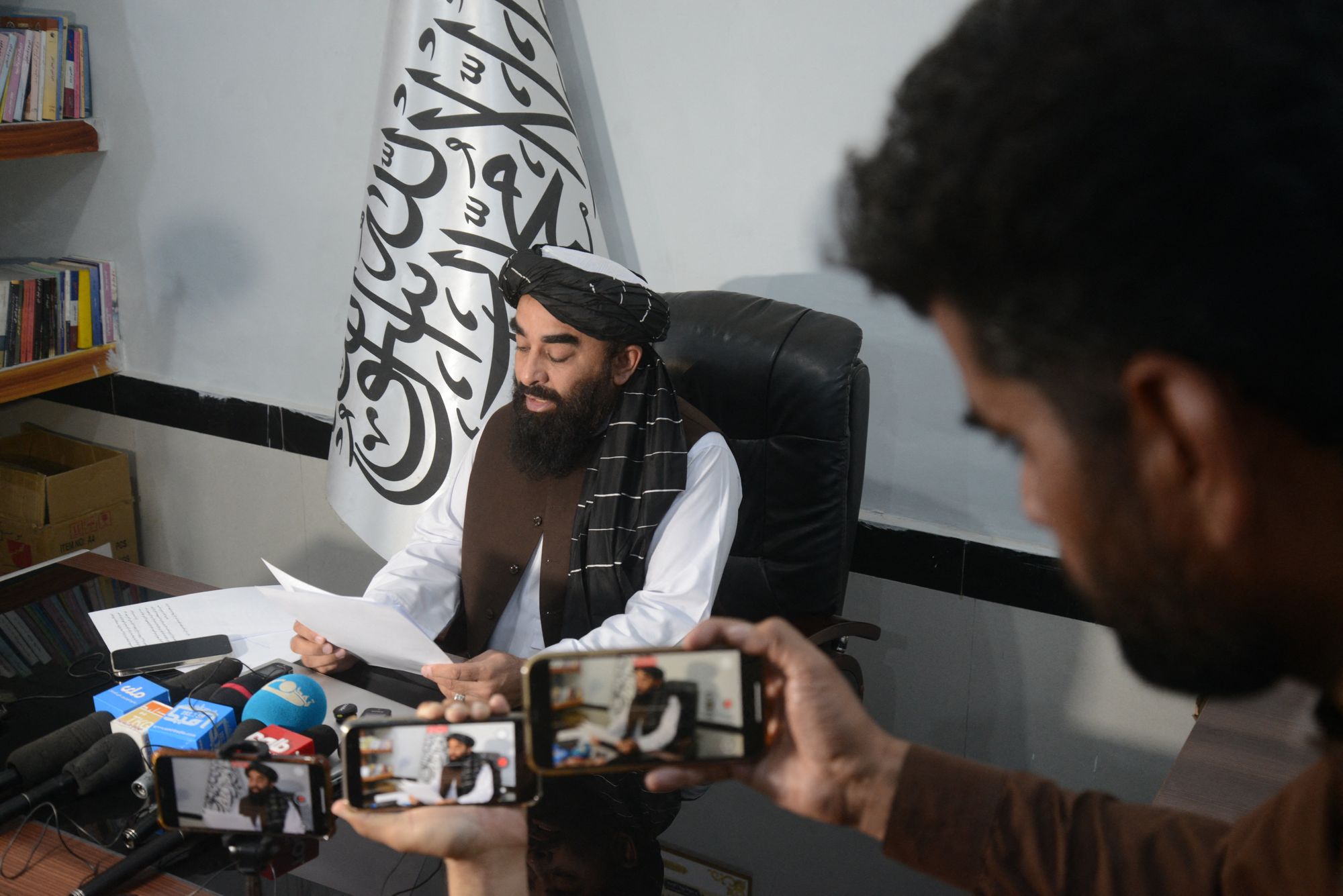
Abdul Qahar Balkhi, a spokesperson for the Afghan foreign ministry, confirmed that the talks in Urumqi had concluded.
Islamabad was yet to make a statement.
Mr Balkhi said the talks focussed on bilateral relations, security issues and regional stability, and were held in a "constructive atmosphere".
He thanked Beijing for hosting the talks and expressed hope that the mediation process would strengthen trust, deepen relations and promote effective cooperation in the region.
Representatives of #China, #Pakistan and #Afghanistan held week-long informal talks in Urumqi, Xinjiang from April 1 to 7. The delegations of the three sides include representatives from authorities in charge of foreign affairs, defense and security.
— Lin Jian 林剑 (@SpoxCHN_LinJian) April 8, 2026
The Afghan and Pakistani… pic.twitter.com/oLM8pRdzEh
Intermittent clashes between the militaries of the South Asian neighbours turned into a full-blown conflict on 28 February when Pakistan announced, after carrying out air and ground strikes across the border, that it was in an “open war” with Afghanistan.
Islamabad accused its neighbour of sheltering Islamist and ethnic militants responsible for carrying out terrorist attacks on its soil. Kabul rejected the allegations.
The Pakistani military previously said they had “irrefutable evidence” that insurgents sheltering in Afghanistan were behind a wave of attacks and suicide bombings on its soil. One attack that killed 11 security personnel and two civilians in Bajaur district in 2024 was undertaken by an Afghan national, they said. The attack was claimed by the Tehreek-e-Taliban Pakistan, an Islamist group separate from the Afghan Taliban.
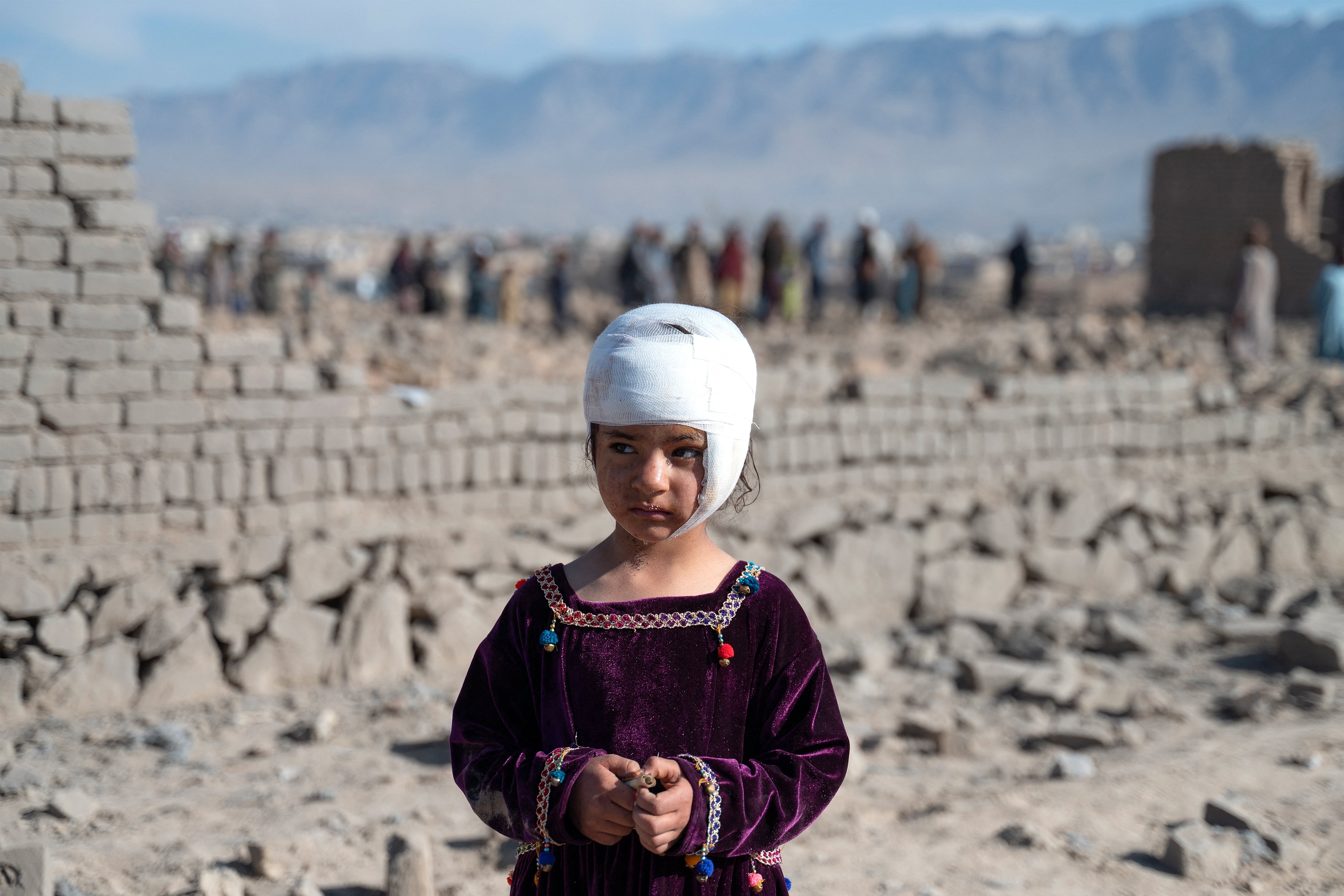
The conflict has killed hundreds of people on both sides of the border. According to the UN Office for the Coordination of Humanitarian Affairs in Afghanistan, it has also displaced almost 100,000 people.
The Urumqi breakthrough comes just as Islamabad prepares to host talks on Friday aimed at ending the US-Israeli war on Iran.
Pakistan led the mediation talks that resulted in a ceasefire on Wednesday, burnishing its diplomatic clout. Analysts said that Islamabad was able to achieve the breakthrough thanks to its close ties with both the US and Iran as well as key regional players like Saudi Arabia and Turkey.
Though the ceasefire has come under strain since Israel launched a devastating attack on Lebanon, Pakistani prime minister Shehbaz Sharif said Islamabad has made preparations to welcome Iranian and American representatives to negotiate a more conclusive agreement.
Tehran said it had agreed to talks with the American delegation on Friday.