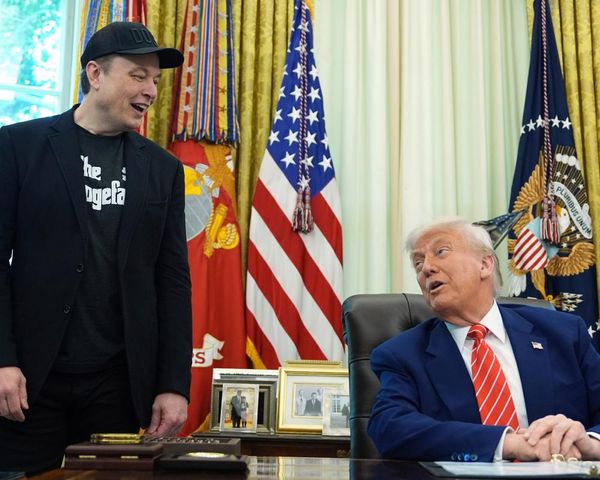
Much of the litigation surrounding the new Trump administration turns in part on "unitary executive" theory - the idea that the president should have near-total control over the executive branch of government.
As I explained in a 2018 post on this topic, unitary executive theory is one of the few issues on which I have changed my mind during the Trump era. Most of my opposition to the Trump-era GOP is based on that party's turning strongly against positions I had held previously, on issues like immigration, free trade, federalism, free speech, and the role of the United States in the world. Unitary executive theory is an exception. This post builds adapts and expands material from my 2018 piece and explains why unitary executive theory cannot be accepted in a world where the federal government wields vastly greater power than it is supposed to have under the original meaning.