
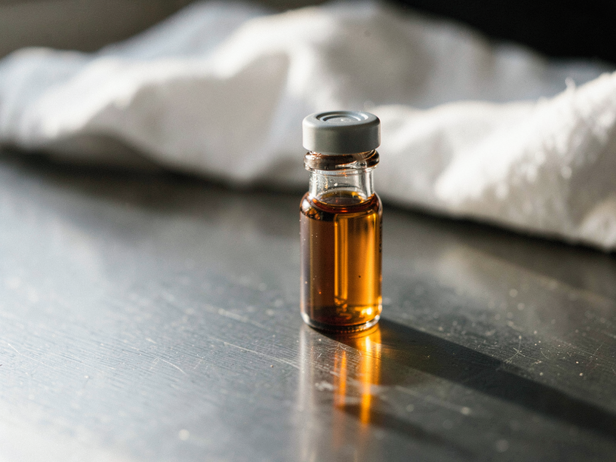
When a vet schedules your pet for a procedure under general anaesthesia, the consent form arrives with two instructions that can feel like formalities: bring your pet in for pre-operative bloodwork, and nothing to eat after a certain hour the night before. Neither is a formality. Anaesthetic drugs are processed almost entirely by the liver and kidneys. A pet with compromised organ function metabolises those drugs differently, sometimes dangerously slowly, and the only way to know before the needle goes in is to look at the blood. The fasting rule, meanwhile, exists because of a reflex that anaesthesia suppresses: the gag reflex. Together, these two steps do more to prevent anaesthetic deaths in companion animals than any single drug choice or monitoring device.