
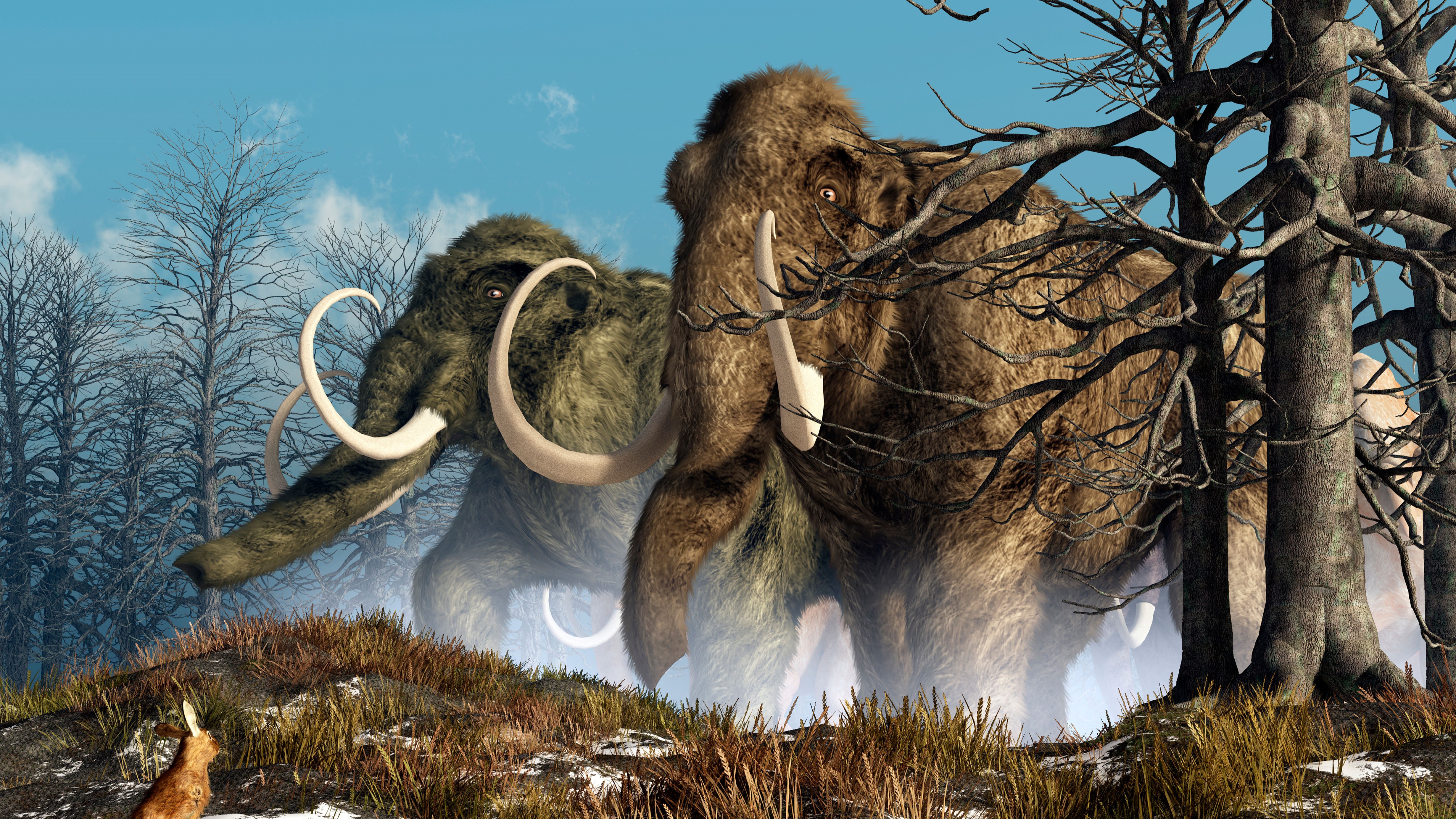
Clouds of pollen floating over the mammoth steppe at the end of the last ice age may have helped drive woolly mammoths to extinction, a new study claims.
Researchers say a boom in vegetation due to global warming may have released so much pollen, it triggered allergic reactions in animals — blocking their sense of smell and preventing them from communicating normally with one another. The inability to sniff each other out during the breeding season would have prevented mammoths from finding sex, the team argue, leading to a precipitous drop in population size and, eventually, extinction.