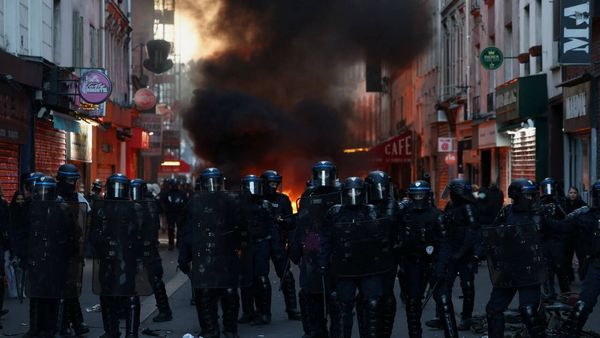
Anger and resentment have become the accepted currency of populist politicians. Donald Trump is generally the first example that comes to mind, but Europe has its fair share of these leaders too, from Viktor Orban in Hungary and Geert Wilders in the Netherlands to Marine Le Pen in France and Giorgia Meloni in Italy.
These politicians portray life, the economy, and society in the present as being far worse than in the past. This is because of immigration, globalisation, taxation, corruption, and the excessive influence of politicians and intellectuals. And by positioning themselves as outsiders, they don’t have to accept any role in these wrongs.
Traditionally, when voters felt a government hadn’t delivered for them, they’d punish that government at the ballot box by voting for the main moderate (centrist) opposition party. This dynamic characterised European politics until about 20 years ago. Now, however, the punishment vote goes to populist parties.