
In April 2021, inside a high-rise building in Fort Lauderdale, Florida, a meeting of the Broward County School Board came to an abrupt standstill when then-superintendent Robert Runcie announced he would resign. A decade earlier, Runcie had become the first permanent Black superintendent ever hired in the district, the sixth-largest in the nation, with around 260,000 students and 330 campuses. A program he helped launch in 2013, to address the "school-to-prison pipeline," was hailed as a national model and possible inspiration for federal guidance released the following year by Barack Obama's administration.
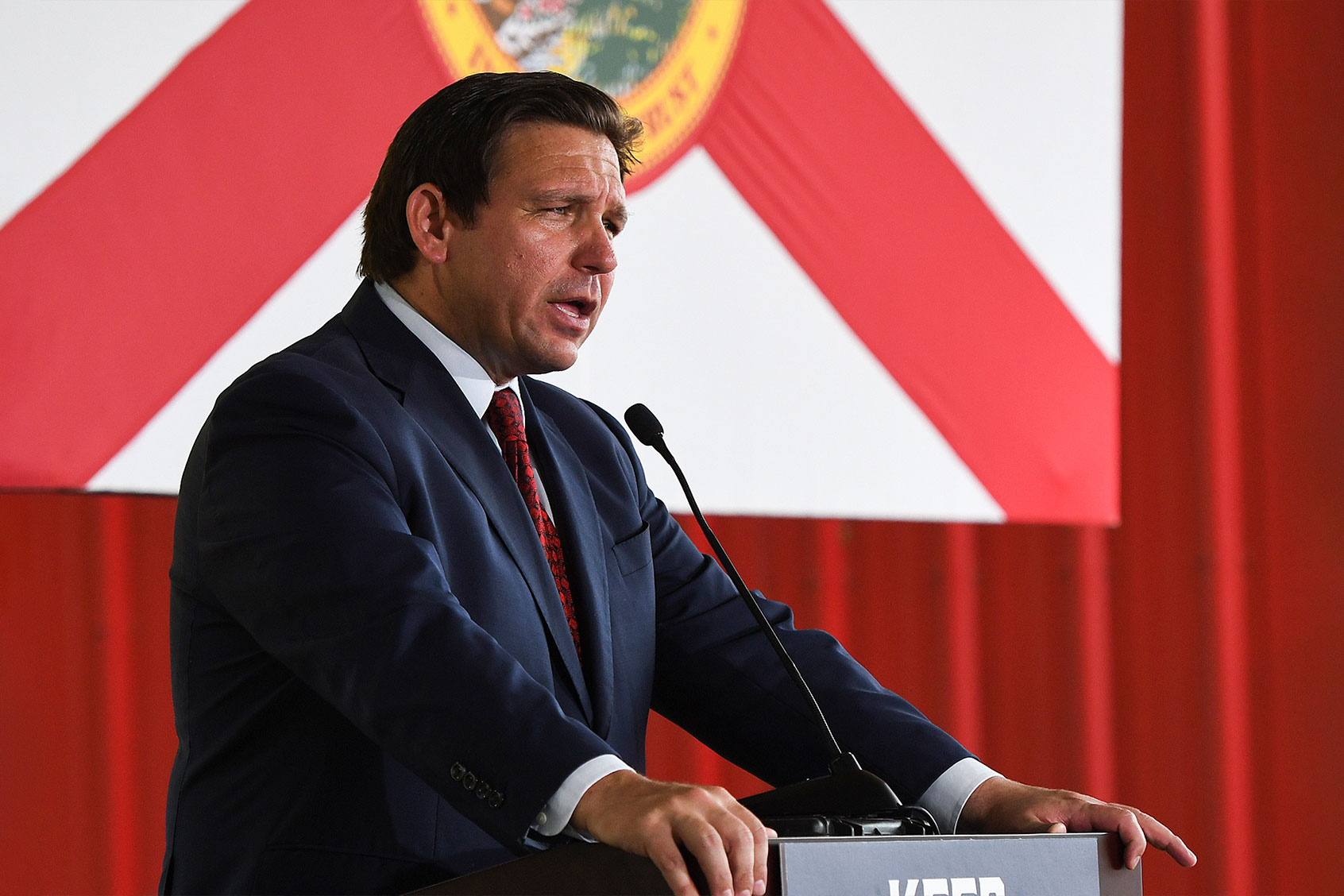
But after the 2018 mass shooting at Parkland's Marjory Stoneman Douglas High School, long viewed as one of the most desirable schools in Broward, Runcie's program became a focus of local grief and a target of conservative attacks. When Republican Ron DeSantis was elected governor, he promptly called for a grand jury to investigate whether school policies had enabled the tragedy, ultimately leading to Runcie's arrest for alleged perjury in April 2021 and then, last week, the removal of all remaining Broward school board members who had supported him.












