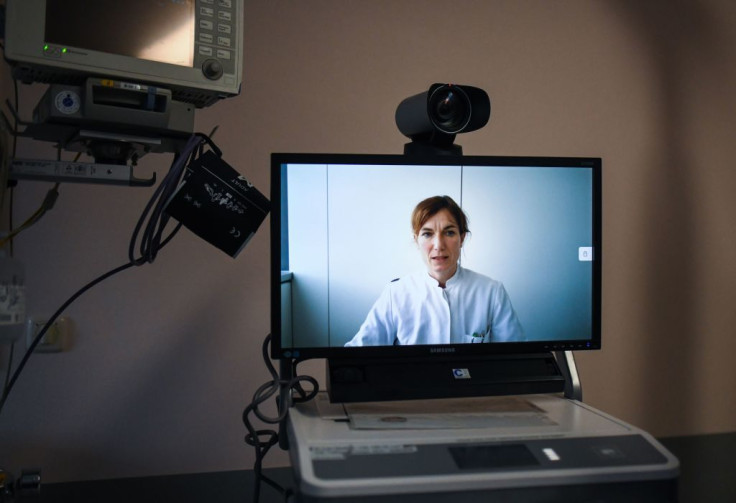
Telehealth can save lives, and if we do not treat it as an urgent, system-wide priority, we will keep losing people to distance, cost, and bureaucracy. I say that as a clinician who has seen patients die from gaps that a phone call, a video check-in, or a bridge prescription could have closed. If you think telehealth is an optional convenience, think again. It will modernize the United States health system, which is unfortunately still organized around paper, car keys, and siloed clinics.
The landscape I see every day is a country with extraordinary medical talent scattered across competing systems that refuse to talk to one another. We trail nations that give patients a single digital front door. The United Kingdom's National Health Service (NHS), for example, has been steadily building integrated online records and an app that lets patients see notes and labs in one place. That centralized access translates to better preventative care and fewer avoidable hospital visits.