
With more AI data centers installed, increased drilling and energy demand from prolonged weather patterns, energy bills continue to increase. On average, your electric bills are 5.5% higher than they were last year; however, some areas have seen spikes of up to 18%.
While you can’t control the cost of energy, there are several things you can control to lower your overall energy bill in both the summer and winter months. These range from simple fixes, such as relying more heavily on fans, or extensive upgrades, like installing a heat pump.

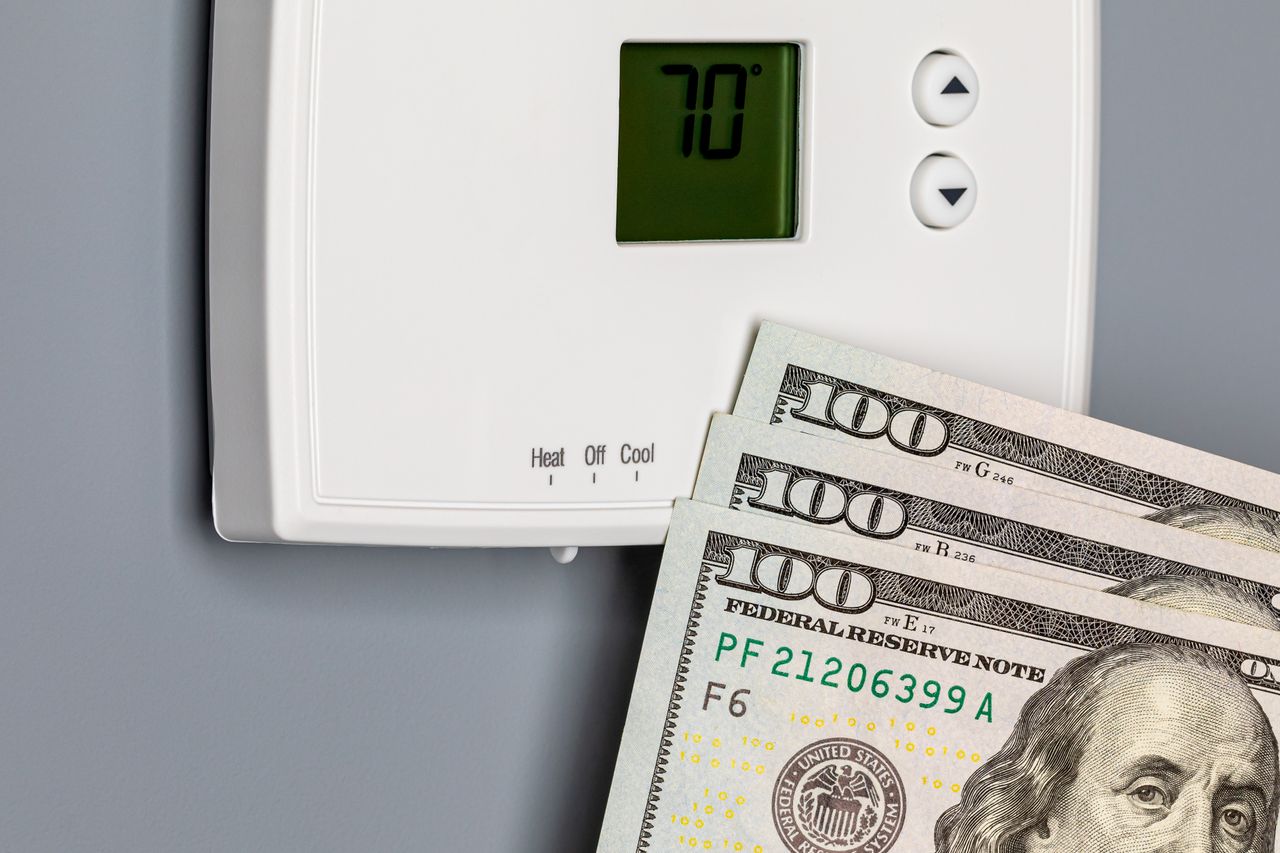
But one of the easiest and quickest ways to save is by properly setting your thermostat. By dialing in the right temperature, you could save up to 10% on your utility bill. Here’s what temperatures are ideal for saving on energy costs during the summer and winter. If you have a smart thermostat, it’ll be even easier to follow these guidelines.
Best temperature to set your thermostat in summer
According to HVAC.com, setting your thermostat to 78°F while you're home during the summer can help maximize energy savings. However, comfort levels vary by household. As a general rule, raising your thermostat above 72°F can save you up to 3% on your energy bill for each additional degree, so it may take some trial and error to find the right balance between comfort and savings.
The following Energy Star table shows recommendations on starting points for setting energy-saving temperature settings.
Sure, you could save a good bit of change by keeping your home this warm during the summer, but for many, those temperatures are way too hot. That's why this number is more of a suggestion than a hard rule. Energy Star advises consumers to just use these temperatures as starting points but acknowledges the need to adjust the settings to fit your lifestyle.
So, if 78°F or higher is out of the question, the DOEE recommends "setting the thermostat to a setting as high as is comfortable for you when you are at home and need cooling and to ensure humidity control if needed."
In fact, hotter temperatures can decrease the quality of sleep. Many experts agree that 65°F is the best temperature for sleep. This temperature will surely run up your power bill, so it’s key to find the right balance between saving money and remaining comfortable.
One way to do so is by staying cool without air conditioning — which can be done by using ceiling fans properly, installing an exterior window shade or awning and keeping sunlight out with window coverings, for example.
Another option is to buy a portable air conditioner or a window unit so that you can cool just the room you are sleeping in at night rather than paying to keep the entire house at a frosty 65°F.
Best temperature to set your thermostat in winter
According to the Department of Energy and Environment, the lower the interior temperature, the slower the heat loss. During the winter months, set your thermostat to 68°F while you're awake and lower it when you're away or asleep to save as much energy as possible.
You can always bundle up at night or use a space heater for a few hours to heat a specific area of your home if you get too cold.
Installing a heat pump may also be a wise move if you're looking to save in the long run and are willing to pay the up-front costs. Heat pumps can help you save on both cooling and heating.
According to Rewiring America, the average U.S. household can save about $370 a year by switching to a heat pump. Homeowners replacing inefficient systems that run on fuel oil, propane or traditional electric resistance heating could save closer to $1,000 annually.
The closer you get to the best temperature, the more you'll save
According to the DOEE, setting your thermostat back 7°F to 10°F from its normal setting for eight hours a day can help you save up to 10% in energy costs. For most homeowners, this means keeping your thermostat around 78°F in the summer (higher when you're asleep or away) or around 68°F to 70°F in the winter (lower when you're asleep or away).
However, these are just starting points. You'll likely need to make adjustments to fit your lifestyle and find the right balance between savings and comfort. For example, if you normally crank your AC at 68°F all summer long, even dialing that up to, say, 73°F will still lead to some savings if the recommended 78°F is just too hot in your book.