When I had appendicitis, I remember my then-boss's words echoing in my ear as I counted backwards on the surgery table, “Request keyhole. You don’t want a massive scar!” I did, and the three minuscule marks left behind were almost undetectable, as if the trauma never happened. Many of my girlfriends had C-sections, and most proudly rub their lower tummy, calling their scars ‘warrior marks’ or ‘love lines. “These scars represent saving my child’s life”, one told me. While actor Amy Schumer showed off her scar on social media, saying ‘Feeling like my C-section looks cute today!’ she wrote.
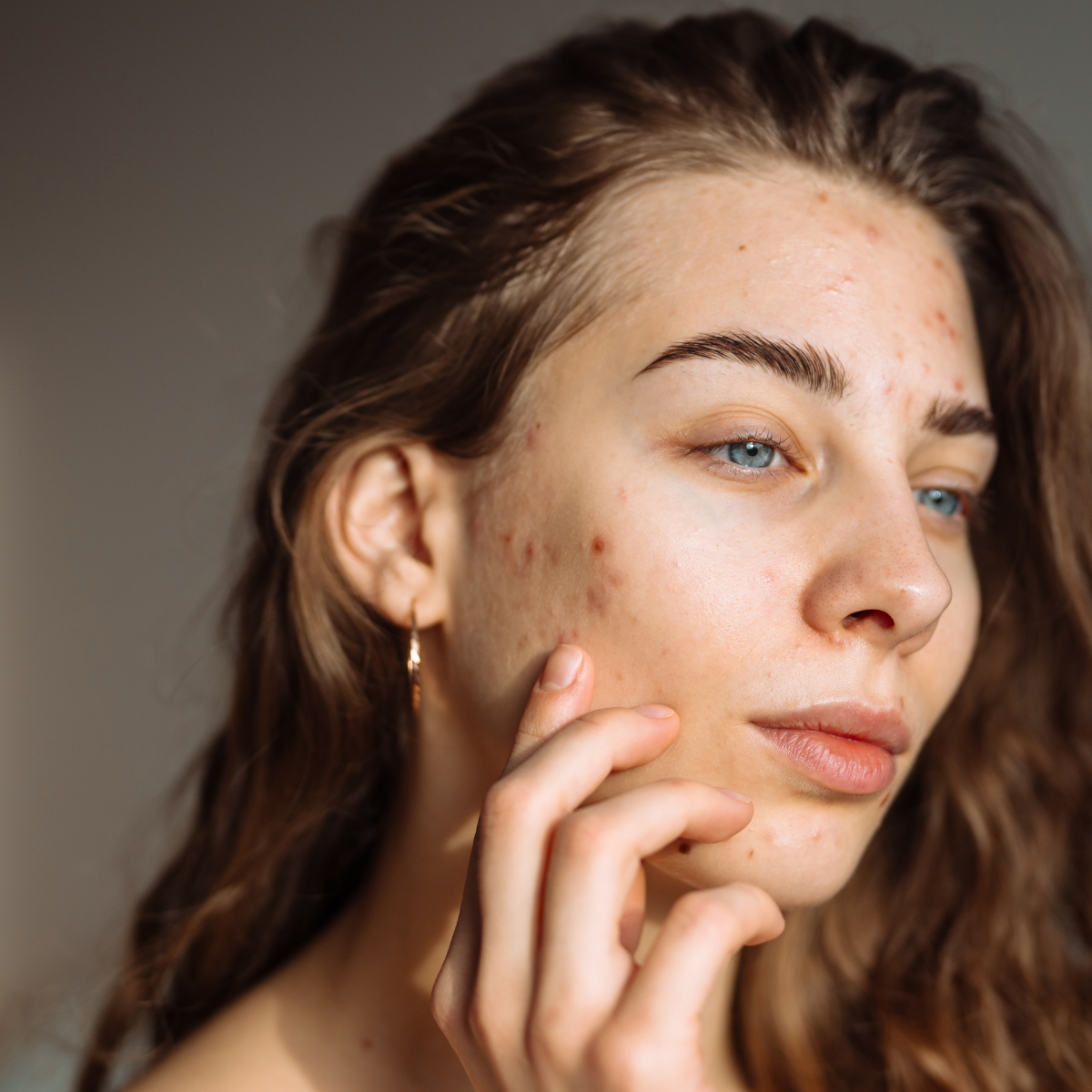
Scars are a perfectly normal reaction of the body and can tell a story about your life, but not everyone wishes to embrace them, and that’s fine, too. If you've ever tried to fade or heal your scars, you know that it's easier said than done. “Even five years ago, the options for scarring were fairly limited—you were largely looking at ablative lasers or resurfacing, which came with significant downtime,” explains Emma Wedgwood, advanced nurse practitioner at Emma Wedgwood Aesthetics.