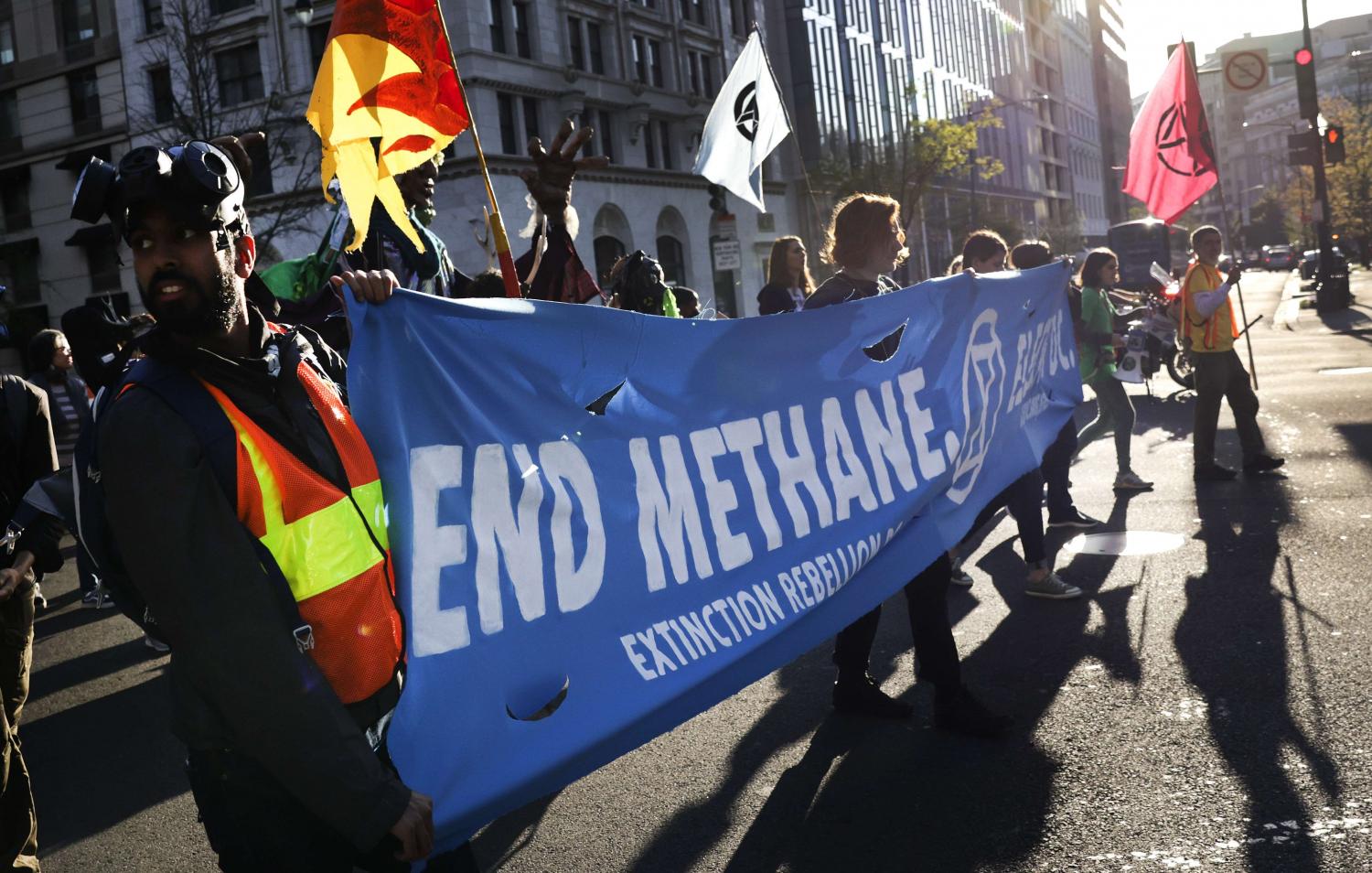
One of the most important achievements of last year's United Nations Climate Change Conference (COP26) in Glasgow was the Global Methane Pledge, a commitment by more than 100 countries to cut methane emissions by 30% by 2030. Reducing methane emissions is not only among the quickest and most effective ways to stem climate change; it would also go a long way towards improving public health.
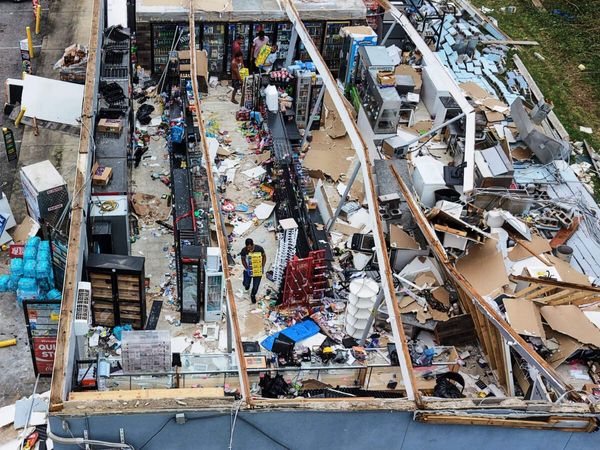
A highly potent greenhouse gas, methane traps over 80 times more heat in the atmosphere than carbon dioxide does, and methane emissions account for roughly a quarter of current global warming. They thus bear significant responsibility for climate-related threats like more intense and frequent extreme weather events, increased food insecurity, greater infectious-disease risk, reduced access to clean water, and deteriorating air quality.