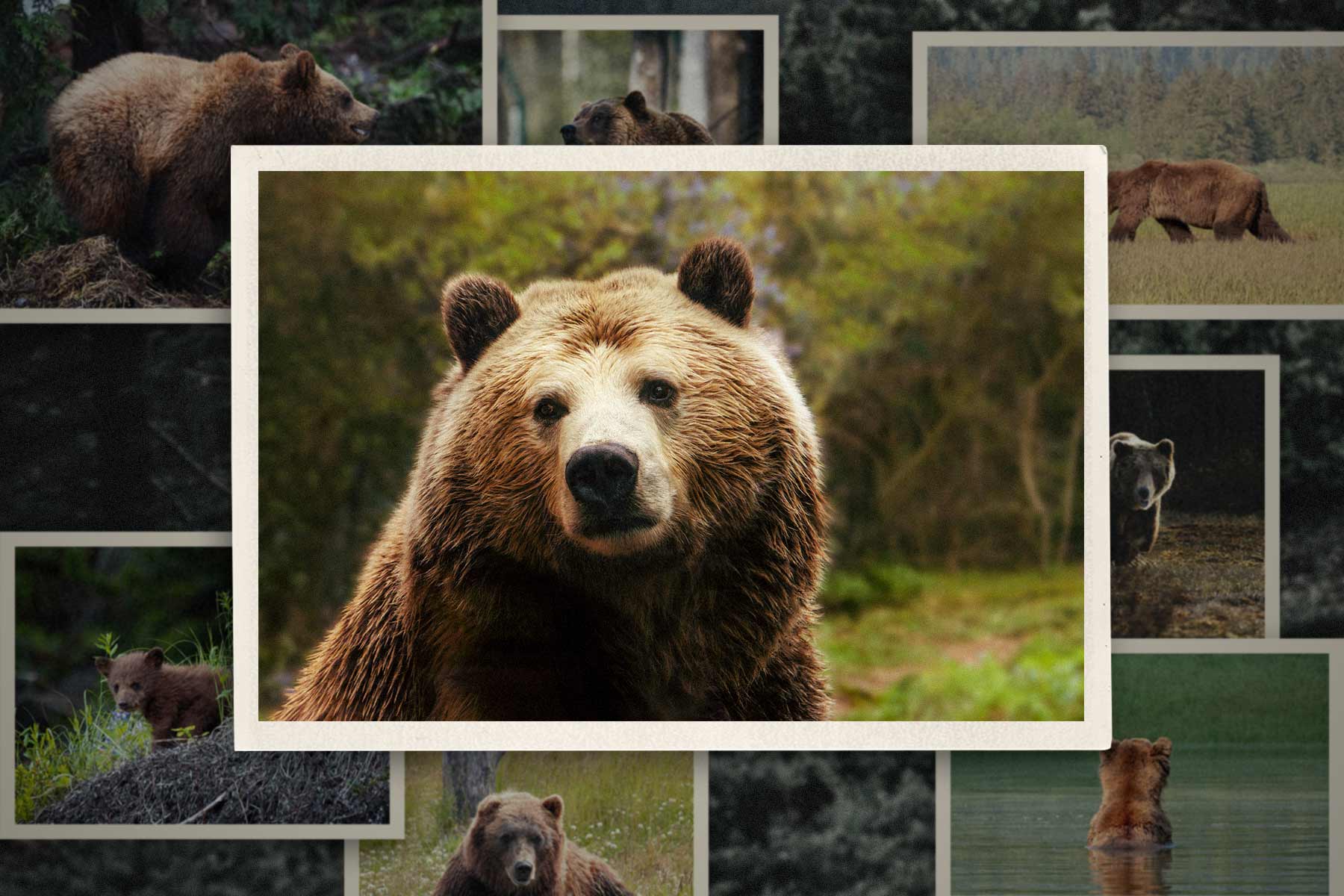
It was late fall in the Canadian Rockies. Larches flickered along evergreen slopes, their blazes of orange soon to be snuffed out by the first big snow. The buffaloberry and chokecherry bushes lining the frothing edges of the Bow River had been picked clean. In the nearby mountain town of Banff, Alberta, crabapple trees bore ripening fruit. A precocious grizzly bear had been spotted among them, gorging on the harvest to prepare for the bitter cold. She would soon head into her winter den.
In Banff, I had met one of Parks Canada’s human–wildlife conflict and coexistence specialists who knew this particular bear well. Named Bear 148, the grizzly had been keeping him busy from sun-up to sundown. The town had an active grizzly bear warning in place. Playgrounds were closed, and signs were put up to warn of Bear 148’s presence. It was rare for Parks Canada to issue a warning for a bear persisting around town. But that day, as we set out from the specialist’s office, Bear 148 seemed to be retreating up Sulphur Mountain, near the hot springs where late-season tourists were soaking in pools.