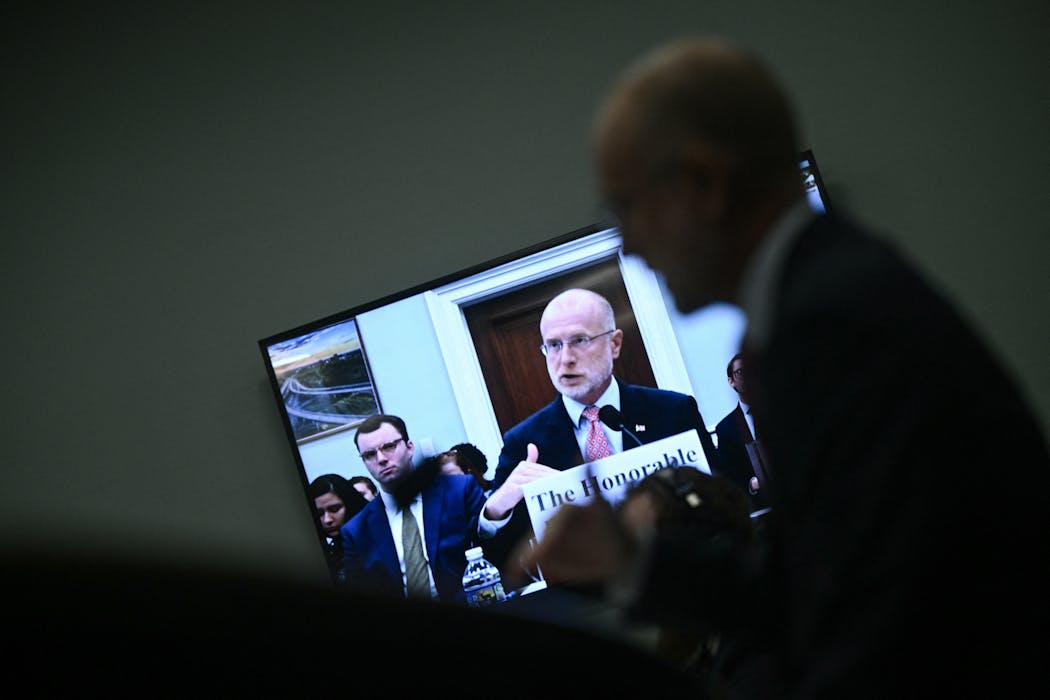
The chairman of the Federal Communications Commission is displeased with a broadcast network. He makes his displeasure clear in public speeches, interviews and congressional testimony.
The network, afraid of the regulatory agency’s power to license their owned-and-operated stations, responds quickly. They change the content of their broadcasts. Network executives understand the FCC’s criticism is supported by the White House, and the chairman implicitly represents the president.