
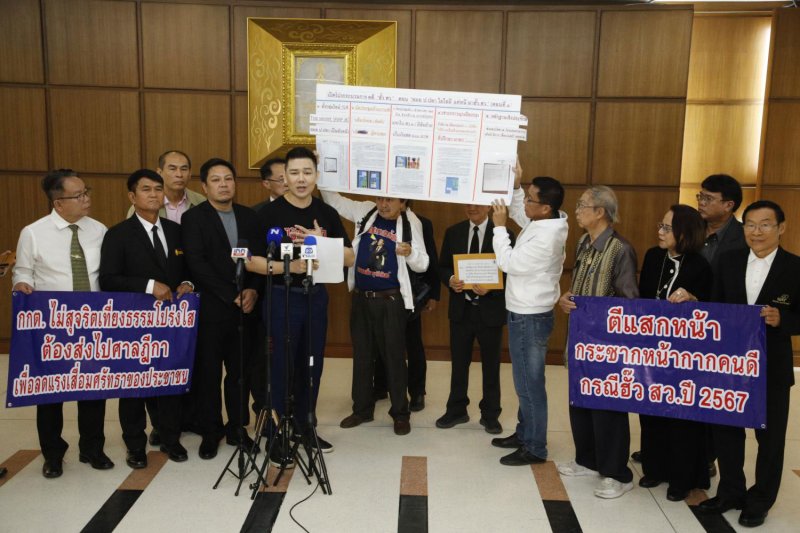
Those who have been wondering why and how Thailand has lost its way in the world and at home should focus on what's been happening with the Senate. The current 200-member upper chamber mandated by the 2017 constitution, drafted and promulgated under a military government following the May 2014 military coup, is an apt prism to see how this country has become so rotten. Addressing the corrosion will require redrafting the constitution while unrigging and reshaping the political system to promote transparency, accountability, and effectiveness.
In most multi-party parliamentary systems, a bicameral legislature with upper and lower houses is common. Lawmaking and legislation normally reside in the lower House of Representatives. The Senate, as the upper chamber, traditionally plays a checks-and-balances role with oversight and legislative review powers. In turn, the legislature works with -- but is independent from -- the executive branch, alongside an impartial judiciary, in a separation-of-powers framework, buttressed by a free media and a vibrant civil society to engender a representative democratic system.













