

Precious metal bullion
If you own physical bullion, you might be wondering if there’s a way to use it as part of a retirement plan. Many collectors keep a few pieces in the house, maybe a tube of coins in a desk drawer, a couple of silver bars wrapped in brown paper, a receipt for a past purchase tucked in a file folder. Having the metal is nice, but holding it at home is very different from having it in a retirement account. Before thinking about converting your collection, it’s important to understand what you’re dealing with, and what the account rules allow.
Eligibility Rules
When buying or holding precious metals inside an account designed to hold them, you’ll have to abide by certain guidelines about the metal, how you obtained it, and where you keep it. You can’t just put your gold coins from a velvet-lined display case in a safe deposit box into a self-directed account.
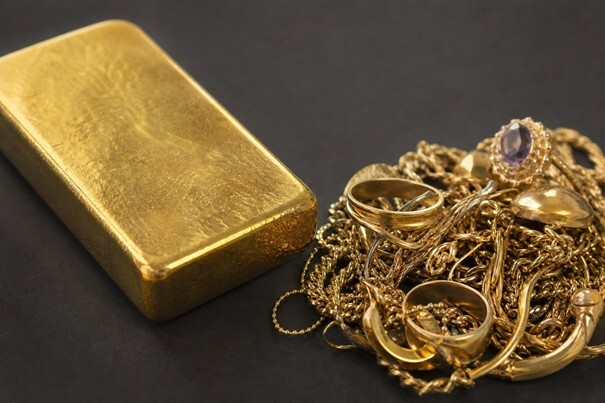
Gold and silver bullion
There are certain types of government-backed bullion coins that might qualify, even if they aren’t the exact same style as a standard bar. There’s a good chance a proof coin inside a plastic case won’t. The special finish, presentation box, or certificate of authenticity could be more important than the bullion content. Same for jewelry. A tarnished silver bracelet with a broken clasp isn’t considered bullion you’d keep in an IRA.
Even things like a silver bar left over from a parent’s estate can be problematic. It might have the refiner’s stamp, but without documentation, proper weight verification, or evidence that it wasn’t stored improperly in a basement for decades, there’s no way to tell.
Inventory Basics
Before calling a company, go through your items and write down a basic list. A typed spreadsheet isn’t required. Just something on paper will do.
- Item type: Be sure to note the difference between bullion coins, proof coins, bars, rounds, jewelry, and unboxed inherited items. A sealed coin tube and a commemorative coin encased in glass shouldn’t be counted together.
- Purity markings: Identify any stampings or markings on bars, coin rims, or assay cards. Don’t assume a bar has a full stamp, just because you can see half of it.
- Purchase history: Gather all available records, including sales receipts, invoices, appraisals, estate inventories, or any other documentation you can find regarding an inheritance. Even a crumpled, yellowed receipt can be helpful.
That information might not ensure your items will be accepted, but it does give you something specific to discuss. Plus, it means you don’t have to tell someone that you’d like to sell “a bunch of old gold coins in my safe” and hope they know what you mean.
Professional Guidance
At this point, it makes sense to reach out to a precious metals IRA company to find out more about your situation - more on get in touch with a gold IRA company if you want that route. In this first conversation, it’s best to ask about the restrictions first, rather than asking to open an account right away. Does the account buy the same thing you have? Would it have to be newly purchased? Where would it be stored?
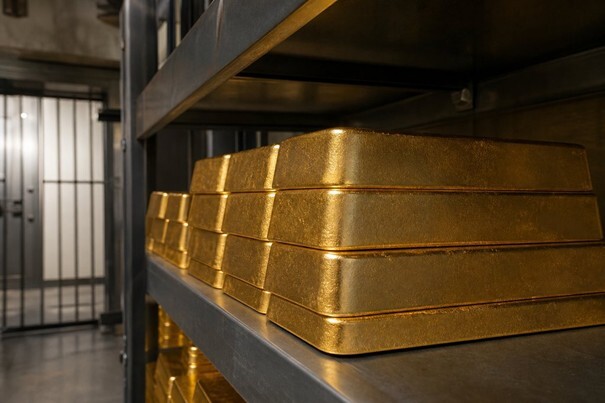
Precious metal coins and bars
Most of the time, ownership of the metal is the biggest issue. Accounts can only hold precious metals in approved storage facilities. Your personal items wouldn’t be accepted. So your dealer might say that your coins can’t be used to fund your account, even though they look like the ones they sell.
In order to acquire qualified bullion, you may have to sell your existing coins on the open market, and then your account will purchase new ones through its own channels. That raises a number of questions: What price will you get? How will you pay taxes on it? What are the spreads? How long will it take? And whether the collection has any extra value as a collectible. What if you can’t sell them as-is?
Find out who is going to do each part of the transaction. The firm you deal with might not be the custodian who manages your IRA, the broker/dealer who sells you the metal or the vault where it's stored. Ask for their names and documentation describing how they operate.
Also find out when a quote is guaranteed, whether the price you're being quoted includes premiums over spot price, and what happens if the market moves before funds arrive. For reference, you should document:
- Date, time and person's name when you speak to them
- Purchase price or buyback price that was quoted to you
- Expected time frame for processing and delivery
- Written fee schedules and account agreements
Having the documentation allows you to easily compare options and see which details weren't discussed in the sale.
Ask about how your RMDs will work after you’re at the proper age. Since metals can’t be divided like money, you might have to liquidate some of the metals or do an in-kind distribution, or just keep enough cash in the account to cover fees and distributions.
Moving Retirement Funds
When you’re dealing with accounts that contain precious metals, you’ve got to understand the difference between transferring funds from one account to another and rolling over money from one account to another. These two processes can be confusing when you’re speaking to a salesman on the phone while looking over a stack of account statements.

With a rollover, you have to know who’s responsible for preparing the documents and whether the funds will be sent directly from one financial institution to the next. In some cases, you have 60 days to complete the transaction or you could face unexpected tax consequences. Keep a copy of all forms, confirmations, and shipping instructions in a folder with your original purchase documents.
Preparing for the Call
The most productive initial phone call will be one where you’re able to provide detailed information and receive clear answers. Have your list ready, ask what the company will accept from your inventory, and request that they describe their storage options, fees, purchasing procedures, and liquidation methods in terms you can easily understand.
Get your list, receipts, and estate papers ready before you dial.













