Bad things happen, and some of them are nobody's fault. Big earthquakes in Venezuela are about a century apart (1812, 1902, 2026), so you can't blame the planners and the politicians for not being well prepared for this one. How high a priority should they have given to an event that will kill a few thousand people once a century in a country of 28 million people?
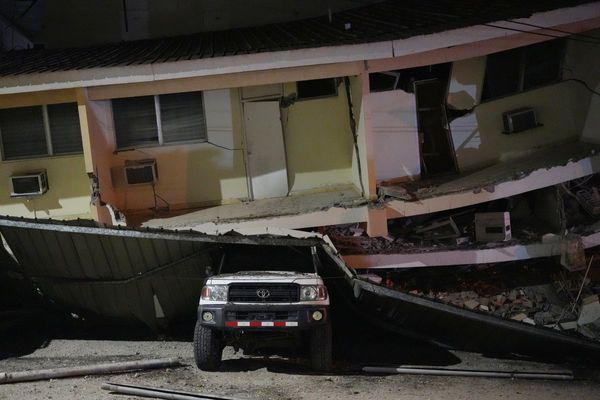
So no shame there -- but there's plenty of blame to share for the regime's failure to respond quickly and effectively to the aftermath of the twin earthquakes only one minute apart. The chief threat in earthquakes is always collapsing buildings, and anybody who is still trapped under the wreckage after three days is almost certainly dead. In Venezuela, that is probably several thousand people by now, and their bereaved relatives and friends will be keenly aware that in many devastated areas the state emergency services were conspicuously absent. Ambulances usually showed up, but there were no army teams with heavy machinery to dig out the trapped survivors. The regime has shown it is useless.
The country's new US masters have not covered themselves with glory either. "It'll be big, it'll be fast, and it'll be effective," US Secretary of State Marco Rubio said of the forthcoming American aid, and Washington committed US$150 million (about 5 billion baht) to the task of recovery and rebuilding, but most of the foreign crews arriving in Caracas were not American.