
The heart of Jonathan Blitzer’s new book about Central America is a heart doctor. Born in the 1950s in El Salvador, Juan Romagoza was drawn to medicine by something like a religious calling. By the time he finished his education, his tiny but storied nation was drowning in state violence. In 1980, he witnessed a patient, a student activist, coolly executed in a hospital bed by national security forces. He made a mission of treating activists and campesinos brutalized by blood-crazed soldiers—a choice that set him on a path to being brutally tortured, followed by forced emigration and a life of activism in the United States. Romagoza’s biography is the story of an era, a region, and a great debt that remains unpaid. He is history in the flesh.
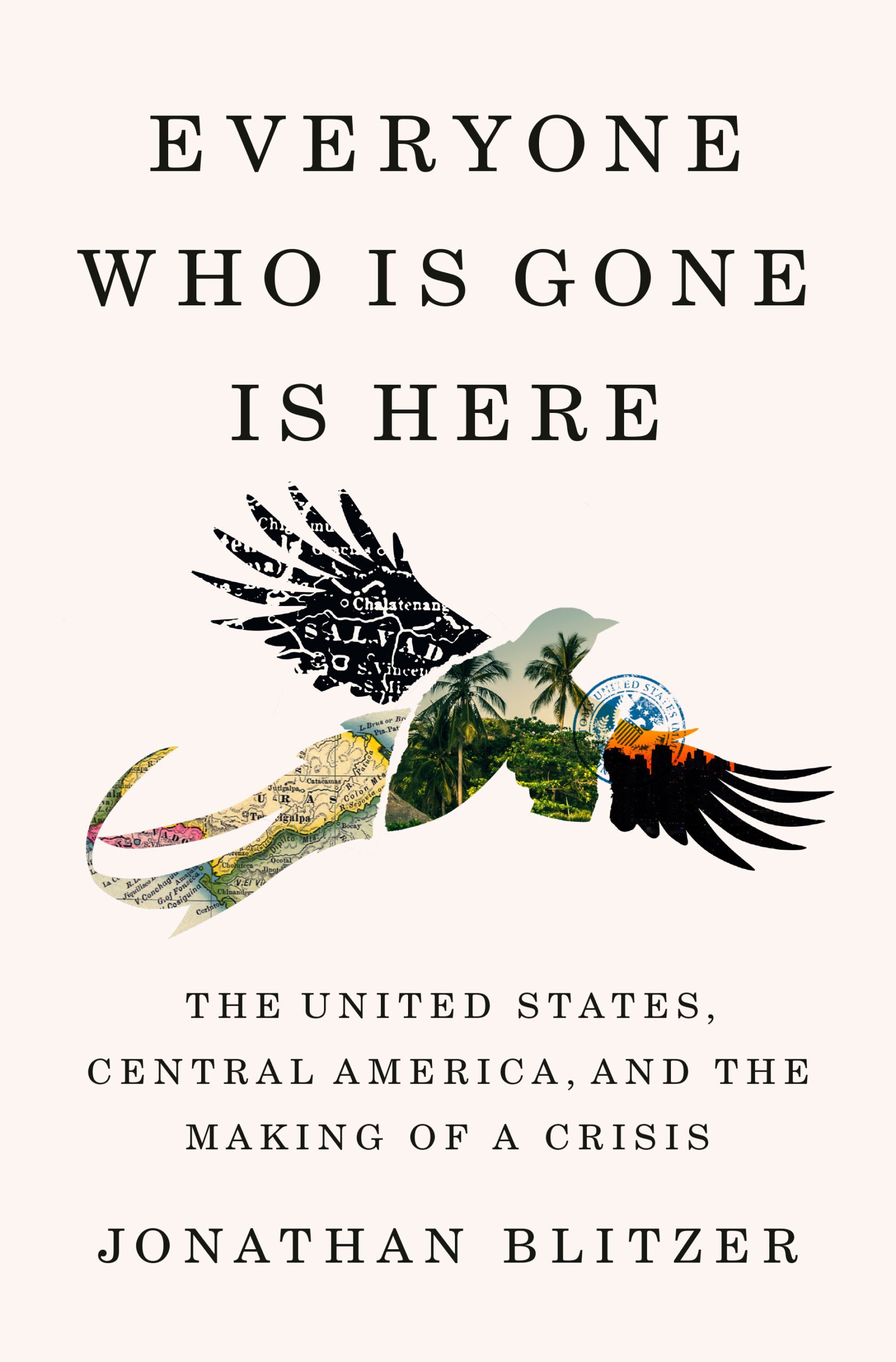
“Politics is a form of selective amnesia,” writes Blitzer, a journalist who covers immigration for the New Yorker, in his introduction to Everyone Who Is Gone Is Here: The United States, Central America, and the Making of a Crisis. “The people who survive it are our only insurance against forgetting.”