
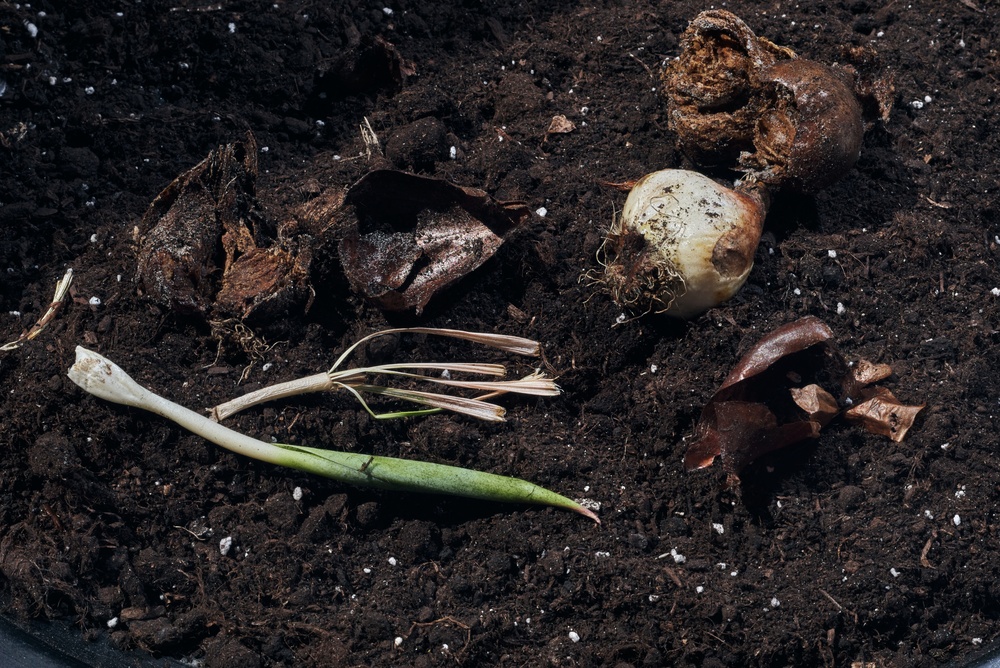
Spring bulbs put on a spectacular show, then pull the gardening equivalent of leaving the party without saying goodbye. Tulips, daffodils, crocuses, hyacinths, and other early bloomers can turn a sleepy garden into a colorful celebration, but their flowers eventually fade and their foliage starts looking tired. That creates a familiar gardening puzzle: what should go in those suddenly empty spaces?
The answer depends on timing, light, soil, and how the bulbs behave underground. The best replacement plants do more than fill a gap. They help hide fading bulb foliage, keep the garden attractive through summer, and avoid disturbing bulbs that still need time to store energy for next year. With a little planning, the spot that looked spectacular in April can look just as intentional in June, rather than resembling a flower bed that forgot to finish getting dressed.