A live casino studio announcing more than 350 jobs in a single city is not routine news, even in a region used to tech hiring. Vilnius won the roles, and the choice says a lot about where specialist entertainment engineering in Europe is heading.
The decision sits inside a wider shift. Companies building online gambling software now need people who can run broadcast grade video, low latency data streams and certified game logic under one roof, and Lithuania's capital has a deep pool of all three skills within a few square kilometres.
What a live studio actually needs from a city
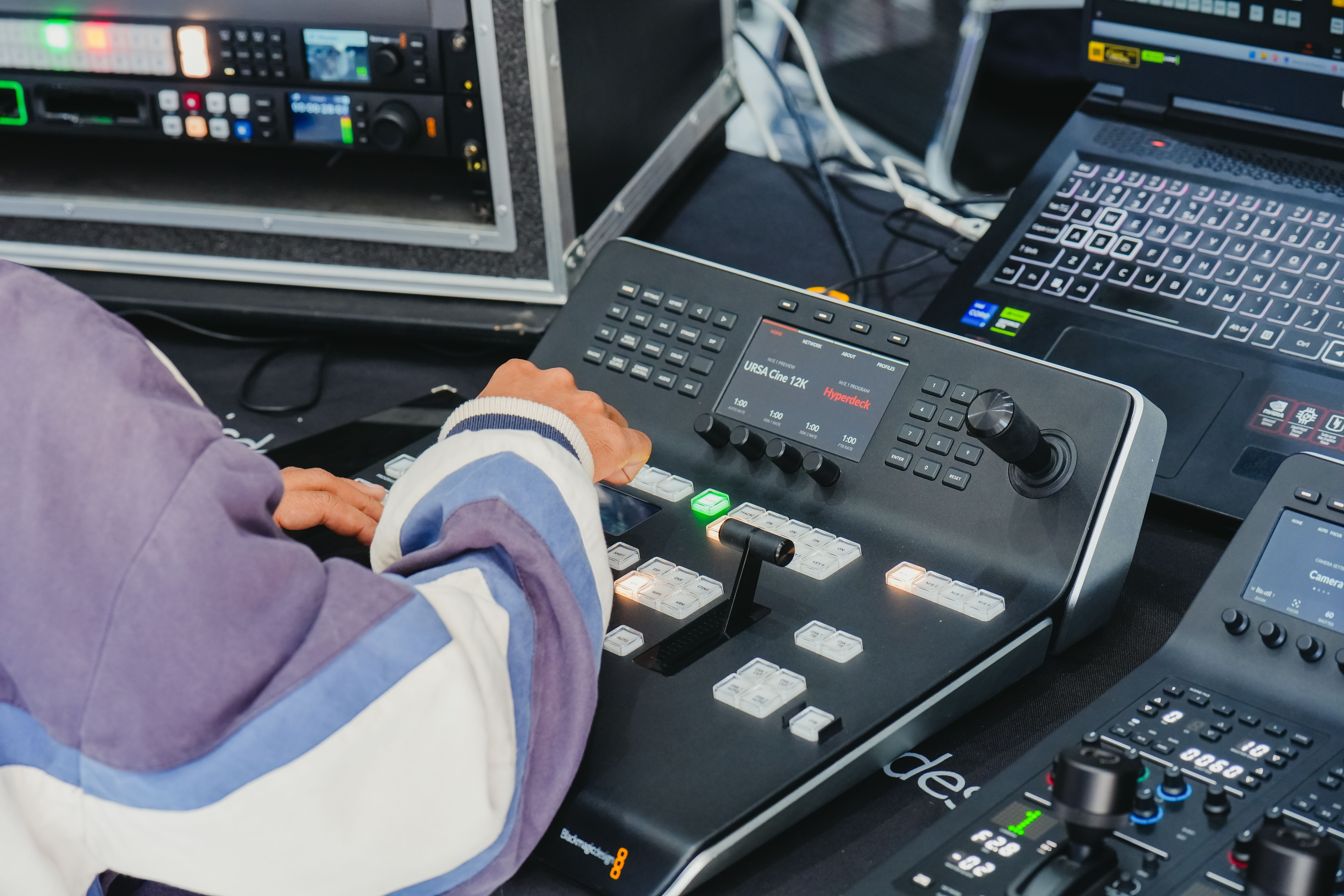
A live studio is closer to a television set than an office. Cameras, lighting rigs, dealers on rotating shifts and a control room all run at once, often twenty four hours a day. A site has to supply trained staff on every shift, not only engineers working nine to five.
That explains why a capital of roughly 600,000 people can compete with much larger rivals. Hiring a night shift of 40 dealers is far easier where universities, language schools and a young workforce sit close together. Nobody wants to commute ninety minutes at three in the morning, and compact Vilnius spares them that.
|
Factor |
Vilnius |
Why a studio cares |
|
Spoken languages |
English, Russian, Polish, German |
Dealers serve many markets |
|
Fibre coverage |
Dense in the centre |
Stable video streams |
|
Graduate supply |
Several universities |
Steady junior hiring |
|
Office rents |
Below Western capitals |
Lower studio fit out costs |
Recruiters in the city point to the same short list when they pitch the location to foreign firms:
- A workforce that already speaks two or three languages
- Fast internet and a mature data centre sector
- A regulator and tax system that employers can plan around
How the 350 roles break down
Large hiring announcements often hide the real mix of jobs. A studio of this size rarely employs only developers, and the split tells you what the business is really built on.
Think of one table team. It needs two dealers per shift, a pit supervisor, a camera operator, a studio manager and an engineer on call. Multiply that by dozens of tables and the headcount climbs quickly, long before any programmer is hired. Add a second studio floor for a different language market and the same crew template simply repeats, which is why planners count in blocks of tables rather than individual desks.
Dealers and floor staff
Dealers form the largest group, usually well over half the total, so a studio planning 350 posts might budget for around 200 of them on the gaming floor. Shifts rotate through nights and weekends, which is why pay premiums and a short commute matter more than a flashy office. Training takes about four to six weeks, which suits a labour market with plenty of graduates and career changers. Fluent speakers of less common languages are especially valued.
Engineers and video specialists
The technical teams are smaller but decide whether the product works. Video engineers tune encoding so a card flip reaches a player's phone in under a second. Backend developers handle the game rules, bet processing and reporting that regulators later audit.
A small outage during a busy Friday evening can empty a table within minutes, so on call rotas and monitoring screens are part of the daily routine. Lithuania has built a reputation here. Its fintech and software firms have trained thousands of engineers who understand payments, security and uptime, skills that transfer directly to live game production.
Support, compliance and operations
A third circle of staff keeps the studio legal and running, and it is the part of the headcount outsiders tend to forget. Compliance analysts check that every game round is recorded. Customer support agents answer questions around the clock, and facilities crews maintain the physical sets.
These roles tend to be the stepping stones. A support agent who learns the game rules can move to a supervisor post within a year or two, and that internal ladder also keeps overall hiring costs down.
Why the location choice may prove lasting
Studios rarely move once a set is built and a team is trained, so a site decision like this one reads as a ten year bet. Vilnius offers room to expand, from additional floors to new language desks, without rebuilding the hiring pipeline.
The real test comes after launch. If attrition among dealers stays low and the first wave of juniors grows into senior roles, other studios will likely copy the model. Local salary data over the next two years should give the clearest signal, and the city's tech sector, already employing tens of thousands, gains either way.