
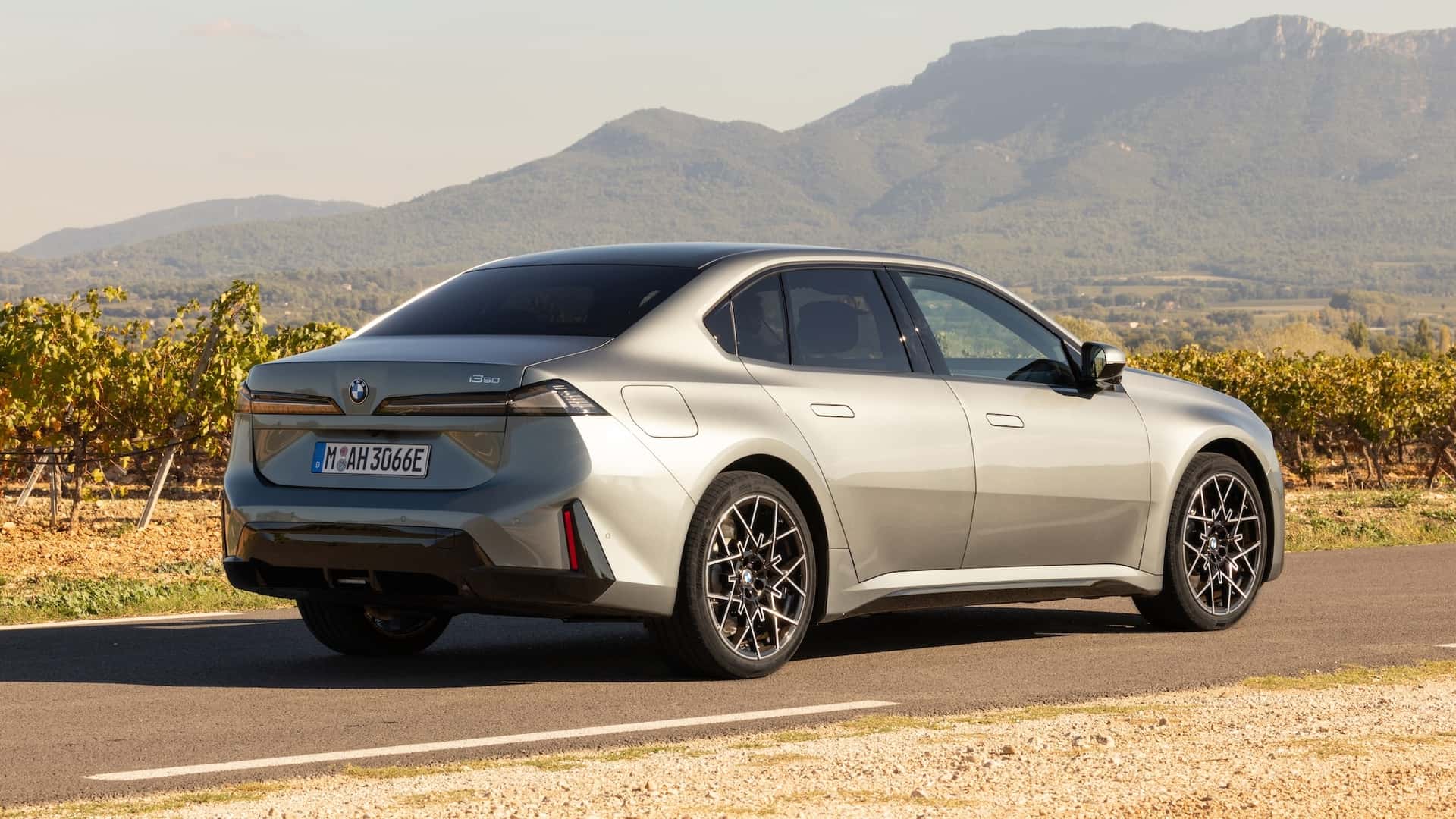
Electric cars are known for their instant acceleration, quiet operation, and impressive efficiency, but one of their most clever features is hiding in plain sight. Every time an EV slows down, it has the potential to recover some of the energy that would otherwise be wasted as heat. That's thanks to regenerative braking, a technology that helps electric cars go farther without requiring any extra energy from the charger.
Unlike conventional cars, which lose most of their momentum when the driver hits the brakes, electric vehicles can turn slowing down into an opportunity to recharge their batteries. It's one of the reasons EVs are particularly efficient in city traffic, where frequent stops and starts are unavoidable. But how exactly does regenerative braking work, and why can't electric cars recover all the energy they lose?