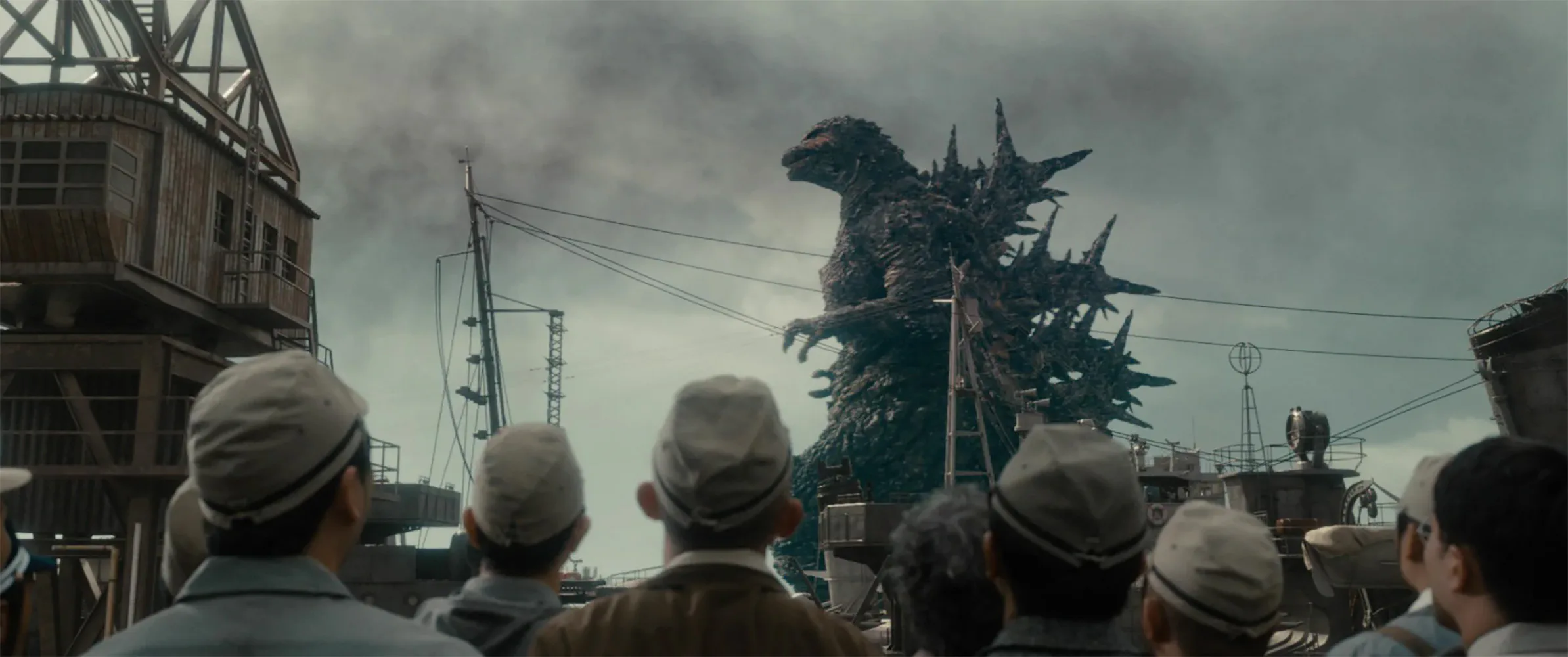
While there’s no real shortage of kaiju media at the moment, everyone’s been waiting for the follow-up to Takashi Yamazaki’s 2023 hit, Godzilla Minus One, with bated breath. The film tells the best Godzilla story we’ve had in years, turning the clock back to before even Ishirō Honda’s first film. Going back to basics also simplified the titular monster in refreshing ways: thanks to other, more recent films, Godzilla is better known as a reluctant protector, but Honda first used him to personify the anxieties and fears of a post-war Japan.
Minus One reclaimed the feeling of abject terror that Godzilla originally embodied — and it did so with a shockingly small budget. With between $10 and $15 million, Yamazaki delivered stunning, tactile visuals and a story that provided the “human element” missing in other contemporary monster films. His sequel, Godzilla Minus Zero, looks poised to do the same — but what’s the deal with these titles? As with so much of Yamazaki’s creative intent, the truth behind “Minus One” and “Minus Zero” will invariably tug on some heartstrings.