
One of the first gigs I got as a freelance reporter involved a crooked cop, a falsely imprisoned rapper and a collection of community members that proudly went on the record, saying how the cop had harassed them for years. I was from that community, so I knew the cop and I knew the victims and I knew that the newspaper was the only way to bring real attention to this matter – so I gutted the cop in a heavy article, clearly laying out his crimes and calling out some of the politicians and high-ranking officers who were aware of his crimes but still allowed this crooked cop to function.
"This is great stuff, D," the editor at the paper said, "Really, really great, but too raw," – before he proceeded to tear my essay apart and water down the message I wanted to send to the city, about how horrible this cop was and the lives he ruins everyday. Now I was gutted because I felt like the editor didn't believe in me enough, even though all of the stories I submitted came from angry residents who also wanted change. It felt as if certain kinds of Black stories don't have places in white papers until they are viral or when the system finally says it's cool to advance the conversation.
Years later, that same cop I wrote about was indicted for racketeering amongst other charges, was convicted and is now serving 18 years federal prison. That same editor who questioned my early claims has since apologized – but I was a vet and no longer upset, because at that point, I knew what it meant to be Black in a white newsroom. Atlantic magazine contributor Jemele Hill had to deal with being Black in white newsrooms for most of her career.
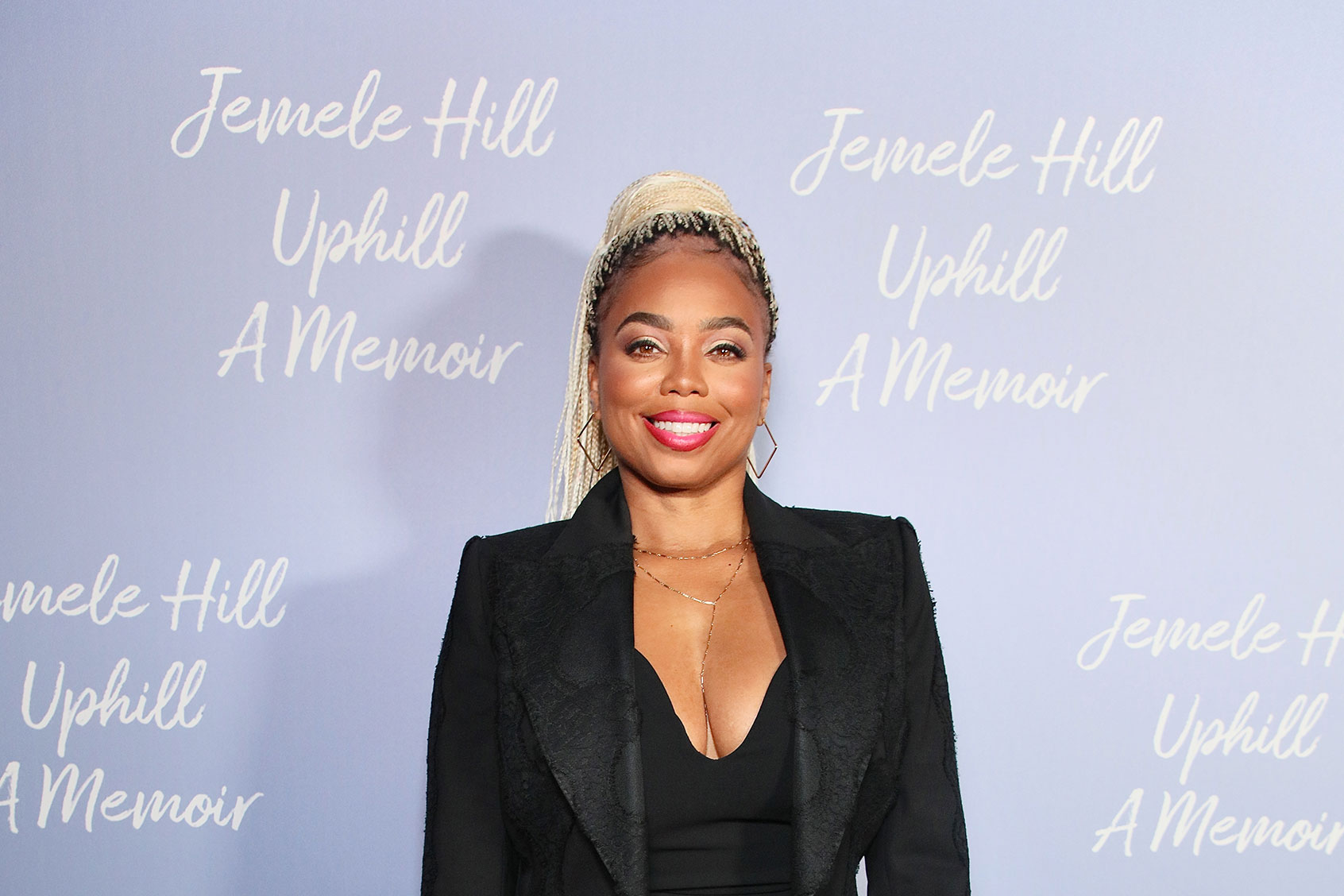
Hill, mostly known for her work at ESPN had the ultimate "Black in the newsroom" moment when she called out then-President Trump for being a white supremacist, a decision that ultimately led to Hill leaving the network. Hill details her upbringing in Detroit, her career in journalism and all of the events leading up to the moment she bravely spoke out against the 45th president in her new book "Up Hill: A Memoir." During our "Salon Talks" episode, we discussed the aftermath of her decision, her process of becoming vulnerable and the difficult and insulting aspects of being underestimated. Watch my "Salon Talks" episode with Jemele Hill here or read a Q&A of our conversation below.













