
Just a few months ago, the smart home device company Ring paid millions of dollars to run a seemingly innocuous Super Bowl advertisement about finding lost dogs. Using the app’s now-defunct “Search Party” function, the ad showed how users could share a picture of their lost dog with Ring, which would access customer camera feeds and use artificial intelligence to locate their pet. Ring’s marketing team probably thought the ad would be heartwarming and well received. Instead, they almost immediately faced backlash from viewers concerned about the wide-reaching implications of home surveillance and data-sharing with police.
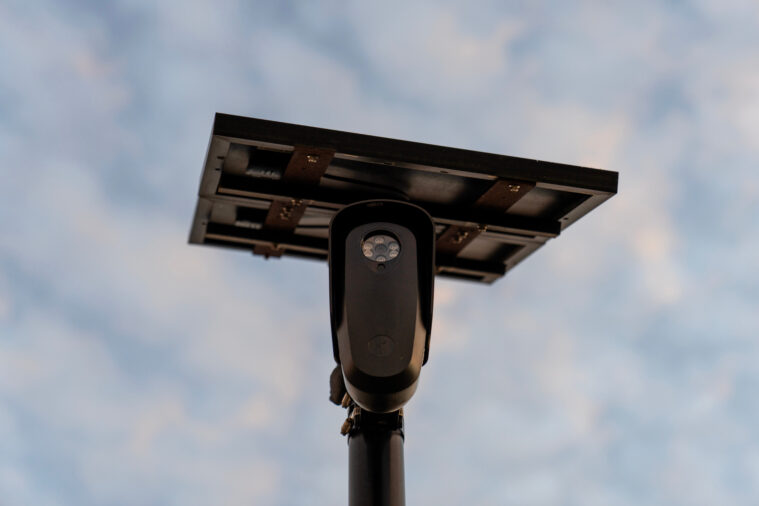
That renewed suspicion isn’t limited to doorbells and home security cameras. For years, people of all political persuasions have debated the constitutionality of the indiscriminate use of surveillance tools in the name of stopping crime, whether it be red light cameras, phone location tracking, or, increasingly, automated license plate readers (ALPRs).