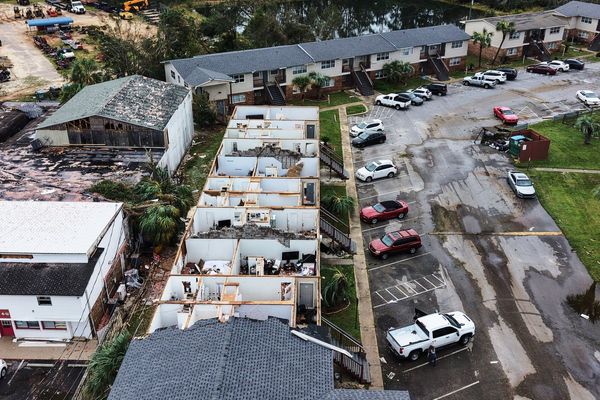
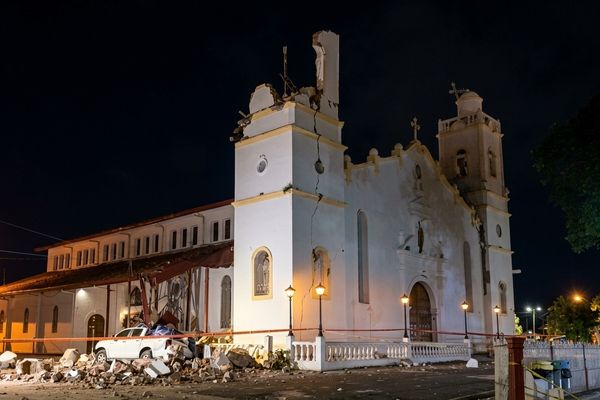
Rains have recently wreaked havoc in Himachal Pradesh, particularly Shimla. Heavy precipitation in the Summer Hill area of the State capital resulted in flash floods and the collapse of a temple which claimed over 15 lives. A landslide led to the destruction of many buildings in Krishnanagar area and left two dead. Landslides around Shimla have damaged roads and brought life to a standstill.
This is not unprecedented. The latest Intergovernmental Panel on Climate Change report states that the coastal areas and the Himalayas are poised to experience a rise in extreme climate events and a shift in rainfall patterns. Consequently, the developmental strategies for the Himalayan region should prioritise climate resilience instead of solely pursuing unguided infrastructure expansion.
Regrettably, in Shimla, infrastructure development has not been climate smart. An analysis of several incidents reveals a pattern. In Summer Hill, the temple was constructed within a gorge. This was also the location of a water supply system for Totu, a suburb of Shimla. In Krishnanagar, houses were erected atop water bauris (natural water springs). When structures come up in areas closely linked to a water source, they become susceptible to disasters. There are around 25 major springs and over 100 water bauris in Shimla.