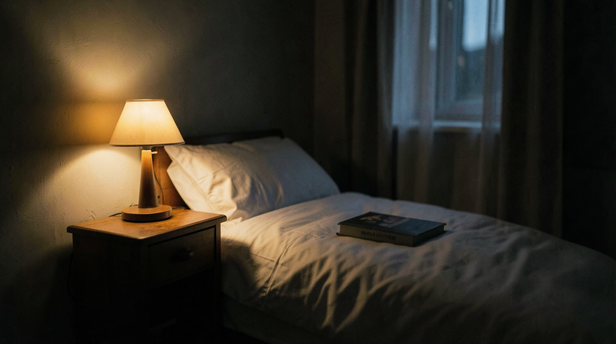
At nine, he was asleep by nine-thirty without much argument. At fourteen, the same child is wide awake at eleven, staring at the ceiling or a screen, and impossible to wake at seven. The change feels like a choice. It is not.
The body runs on an internal clock called the circadian rhythm, a roughly twenty-four-hour cycle that tells nearly every organ when to work and when to rest. In childhood, that clock runs early. In adolescence, it shifts later, not because of habits or devices, but because of biology. The shift is called a circadian phase delay, and it is one of the most consistent findings in sleep research across populations and cultures. A teenager's body does not begin releasing melatonin, the hormone that signals sleep, until significantly later in the evening than it did when the same child was younger. The brain is not misfiring. It is doing exactly what adolescent brains do.