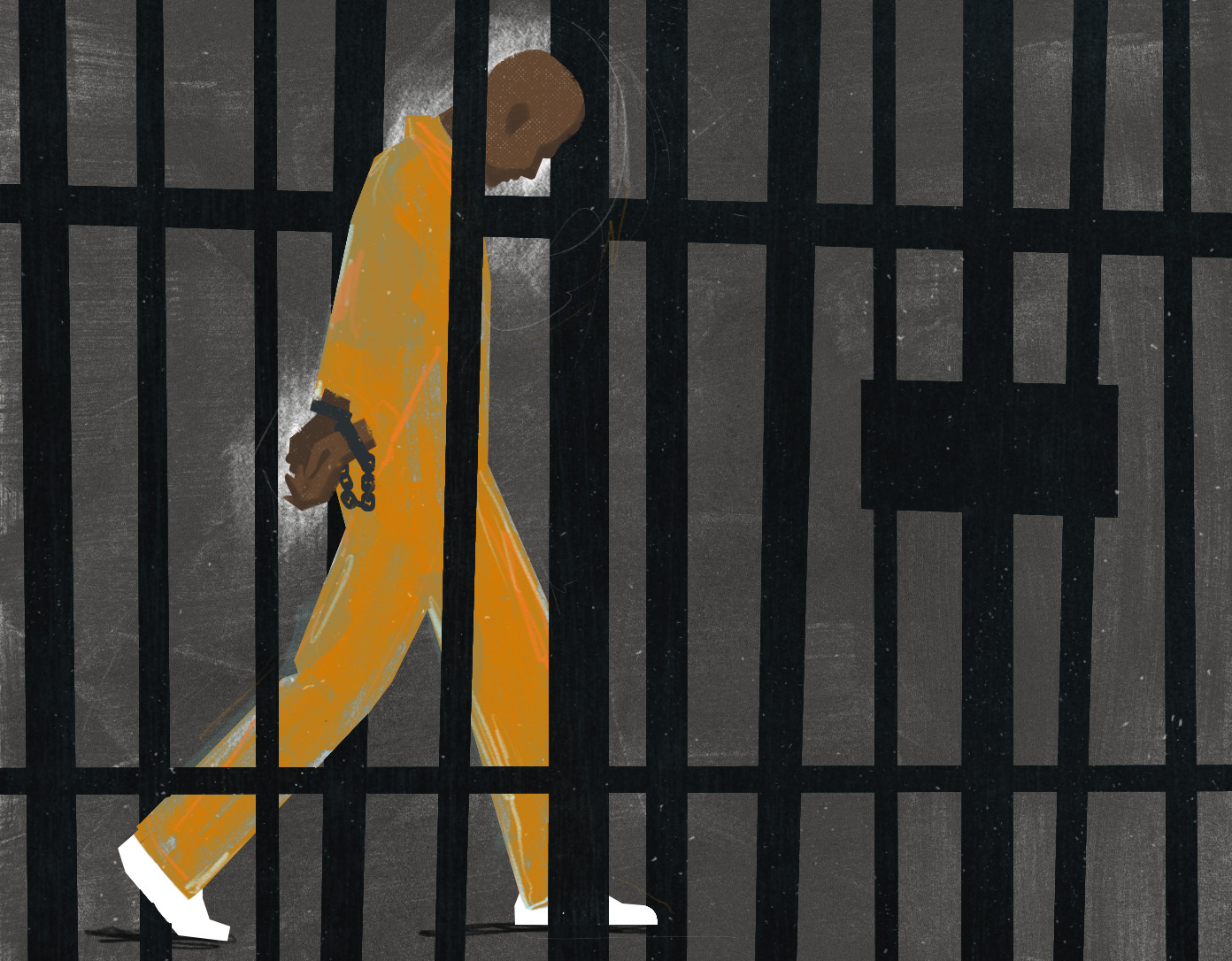
In 2002, a group of men pushed their way into a Scarborough nightclub without paying cover. They scuffled with Colin and Roger Moore, two brothers who were hosting a monthly fundraising event. Words were exchanged, punches were thrown, bottles broken, a glass door smashed. The group eventually left. Minutes later, two gunmen burst into the kitchen and opened fire on the brothers. Colin would die of his injuries. Police arrested one of the gunmen a short time later, and a search for the getaway vehicle led them to Leighton Hay, who, they decided, was the second shooter. Hay was charged with both first-degree and attempted murder.
Crown prosecutors hung a significant amount of their evidence on eyewitness accounts of the second shooter—but the case was remarkably weak. One witness picked Hay out of a photo lineup but, according to court documents, confessed that Hay resembled the shooter only about “80 percent.” The prosecution put them on the stand at trial anyway. Eyewitnesses also agreed that the shooter had short dreadlocks. But Hay had a buzz cut. Prosecutors argued that Hay had buzzed his hair to cover up his crime, presenting clippings obtained from his razor as proof.